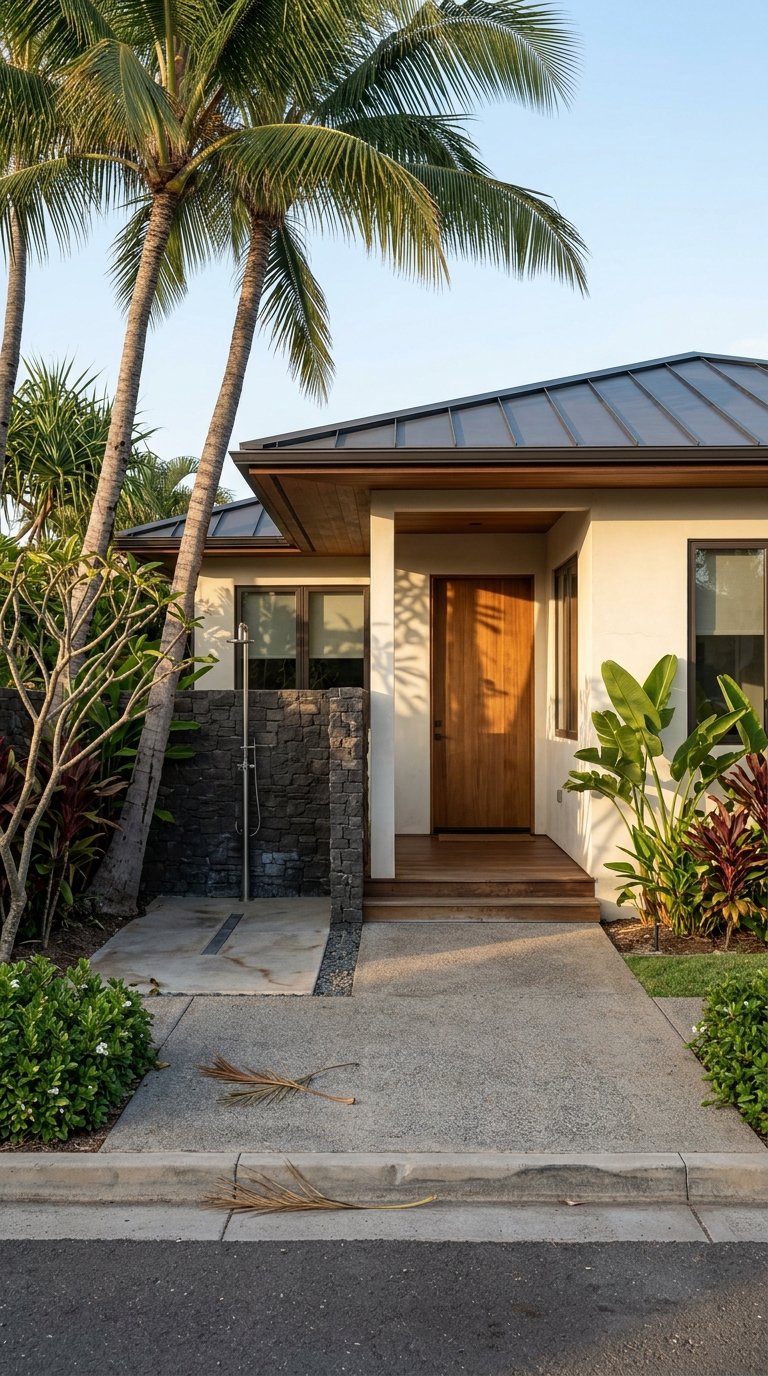
If you’re dreaming about Kailua, one question tends to come up fast: do you want to live right on the sand, or would a home a few streets back give you a better everyday fit? It’s an exciting choice, but it also carries real differences in price, privacy, upkeep, and long-term risk. If you’re weighing the lifestyle pull of beachfront against the practicality of near-beach living, this guide will help you compare both with clearer eyes. Let’s dive in.
Kailua Starts at a High Price Point
Before you compare beachfront and near-beach homes, it helps to understand the baseline. Kailua is already one of Oʻahu’s higher-priced residential markets, with Redfin reporting a median sale price of $1.5 million last month and a median of 97 days on market.
That matters because the premium for direct ocean frontage is being layered on top of an already expensive market. In other words, you are not choosing between “expensive” and “luxury.” You are often choosing between luxury and an even rarer, much more limited segment.
Current inventory shows just how narrow that top slice can be. Zillow’s waterfront search for Kailua shows 22 homes, and active Beachside examples on Redfin include beachfront listings at $11.98 million and $17.5 million. Those are not market averages, but they do show how quickly pricing can rise when a parcel has true shoreline frontage.
Beachfront Homes Offer the Full Experience
If your priority is the most seamless Kailua beach lifestyle possible, beachfront is hard to match. You get immediate sand access, wide ocean views, and the kind of indoor-outdoor feel that many buyers imagine when they picture owning on the Windward side.
That emotional pull is real. For some buyers, stepping from the home toward the beach without crossing a road or loading the car is the whole point. In a market like Kailua, that kind of setting is part of what creates the rarity and prestige of exact frontage.
Beach Access Is Part of the Ownership Reality
At the same time, beachfront living comes with a public shoreline context that you should understand clearly. The Hawaiʻi Department of Land and Natural Resources says shoreline access includes transit along the shoreline and within beach transit corridors, and coastal landowners must maintain seaward vegetation so it does not block access.
In practical terms, that means privacy can feel different than many buyers expect. Even with a beautiful lot and thoughtful landscaping, beachfront ownership in Kailua does not mean the shoreline can be fully screened off from public use.
Beachfront Appeals to Buyers Seeking Rarity
For some homeowners, that tradeoff is still well worth it. You may value the view, the sound of the water, and the uniqueness of true frontage more than you value having a more buffered setting.
This is often where luxury buyers separate what sounds appealing in theory from what fits in daily life. If you want iconic positioning and understand the realities that come with it, beachfront can be a remarkable long-term hold.
Near-Beach Homes Balance Lifestyle and Ease
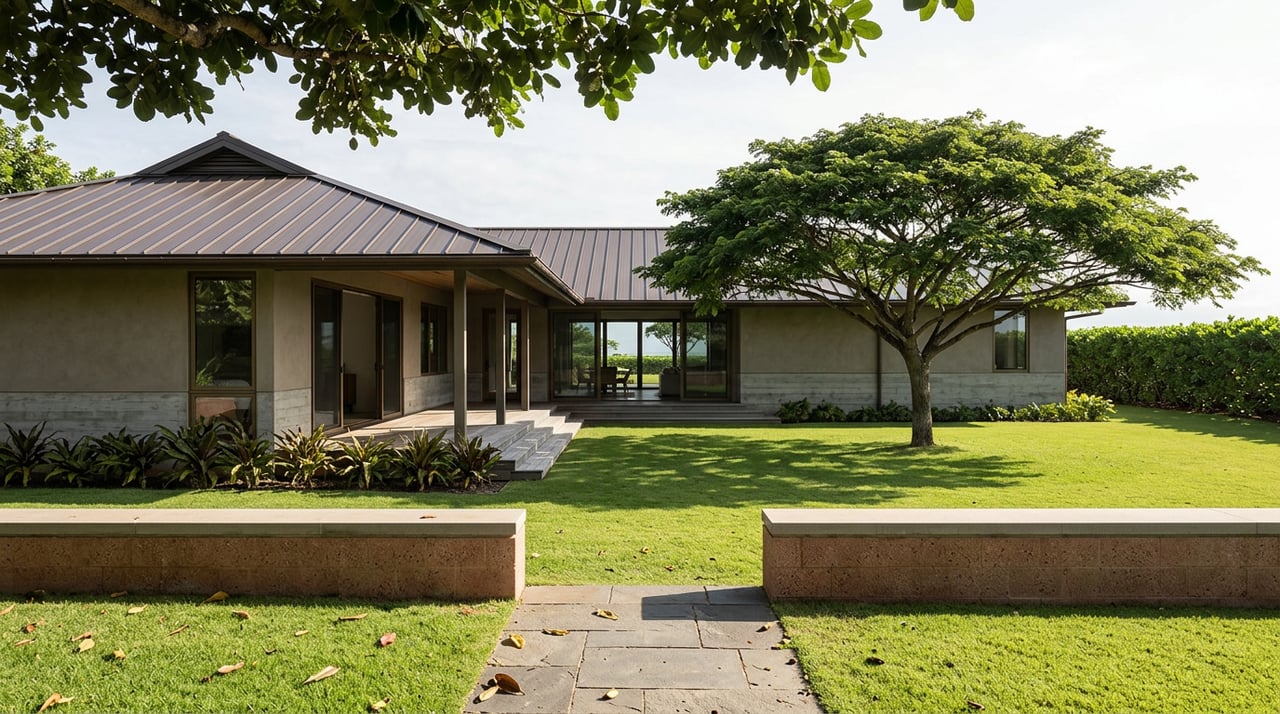
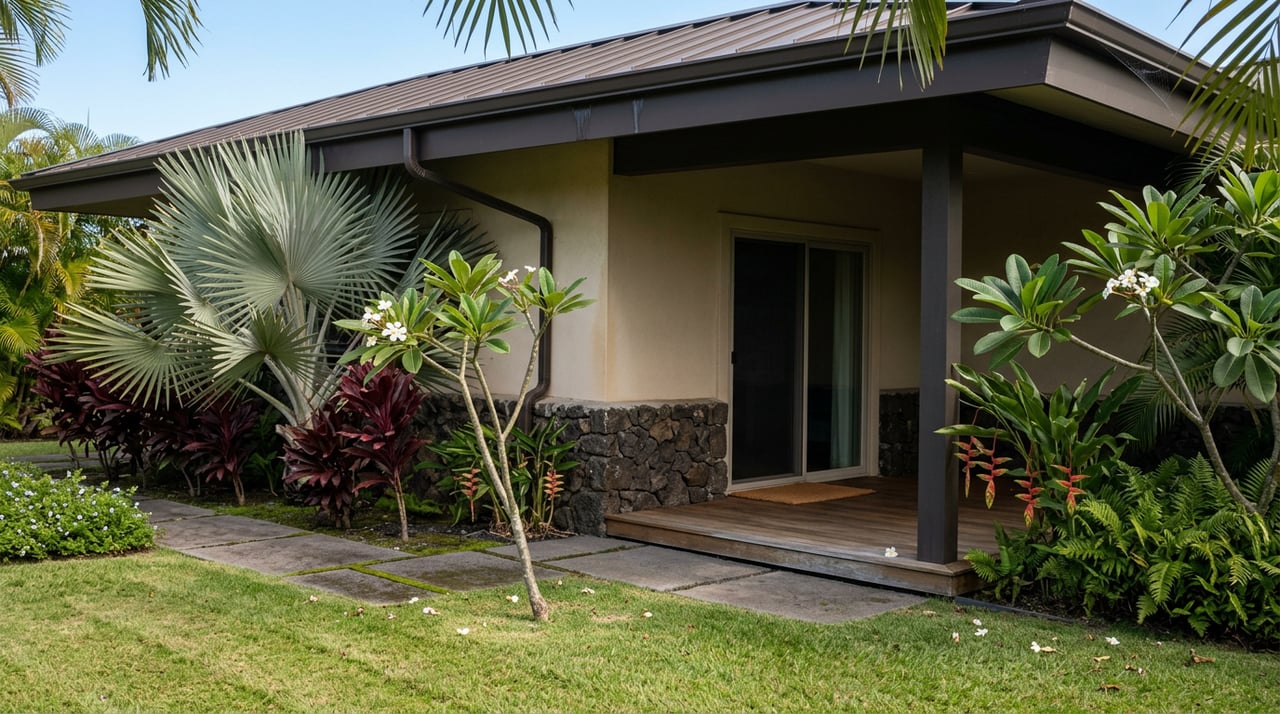
A near-beach home can still deliver much of what makes Kailua special. You may still be within an easy walk or bike ride to the sand, while gaining a little more separation from shoreline activity and direct ocean exposure.
For many buyers, that balance is the sweet spot. You keep access to the beach-oriented lifestyle, but your day-to-day ownership experience may feel more manageable and more private.
A Few Streets Back Can Change Daily Wear
FEMA notes that salt spray is greatest near breaking waves and declines with distance from the shoreline. In simple terms, moving a few streets mauka can reduce some of the corrosion pressure that comes with direct ocean exposure.
That does not mean a near-beach home is maintenance-free. It does mean the home may face less intense salt-air wear than a property sitting directly on the shoreline.
Near-Beach Living Often Feels More Buffered
A home off the sand can also soften the exposure to beach traffic and public shoreline activity. If you love Kailua’s coastal lifestyle but want a little more separation in your everyday routine, this can be a major advantage.
For some buyers, this trade is less about compromise and more about fit. You still get the beach nearby, but you may also gain a quieter ownership experience and a property that feels easier to manage over time.
Maintenance Differences Matter More Than Many Buyers Expect
One of the biggest practical differences between beachfront and near-beach ownership is maintenance. FEMA’s Coastal Construction Manual says salt spray and moisture frequently lead to corrosion and decay in coastal building materials, and FEMA guidance recommends corrosion-resistant connectors, fasteners, and other materials in salt-exposed environments.
That guidance speaks to a very real ownership pattern. Beachfront homes often need more attention to roofs, windows, exterior metal, decks, landscaping, irrigation, and equipment exposed to ocean air.
Beachfront Means More Ongoing Attention
Even a beautifully maintained beachfront home may require a more active maintenance mindset. Ocean-facing finishes and exterior systems often take more wear, and deferred upkeep can show up faster in coastal environments.
If you are buying from the mainland or planning to own part-time, this is especially important to think through. The more direct the exposure, the more important it is to stay ahead of maintenance rather than react to it.
Near-Beach Homes Usually Offer Easier Upkeep
Near-beach homes are not risk-free, but they generally have an easier maintenance profile than direct-ocean parcels. Based on the FEMA and Hawaiʻi coastal hazard sources, they are typically less exposed to wave impact, heavy salt spray, and shoreline encroachment than homes sitting directly on the water.
For many buyers, this becomes a major quality-of-life factor. If you want coastal living with fewer ownership headaches, a near-beach location may be the more practical choice.
Coastal Risk Should Be Part of the Decision
Lifestyle is only part of this comparison. In Kailua, coastal risk and long-term resilience also deserve a close look before you decide how much frontage is worth to you.
The State of Hawaiʻi says sea level in Hawaiʻi has already risen 5 inches since 1970. The state climate portal also says high-tide flooding increased from 2 days a year in the 1970s to 40 days a year in the 2010s.
Kailua Faces Real Flood Concerns
Hawaiʻi Emergency Management Agency training materials specifically note that in Kailua, 50% of the population is locked in below expected flood zones. That is a strong reminder that proximity to the shoreline is not just a lifestyle question. It can affect long-term risk exposure too.
This does not mean every beachfront or near-beach property carries the same level of concern. It does mean careful property-specific diligence is essential, especially in low-lying areas.
Near-Beach Is Not the Same as Risk-Free
It can be tempting to assume that being off the sand solves the issue. It does not. Near-beach homes may still require close review of flood exposure, drainage, disclosure obligations, and insurance requirements.
The difference is that homes farther inland are often less exposed than direct-ocean parcels to the most shoreline-specific pressures. That distinction can matter both for your peace of mind and for future resale conversations.
Permitting and Renovation Can Be More Complex Near the Shore
If you are planning to update, expand, or significantly improve a property, location near the shoreline can affect that process. On Oʻahu, the Special Management Area extends from the mauka boundary on the maps to the shoreline, and the City and County of Honolulu says all development within the SMA is subject to review.
Hawaiʻi law also establishes shoreline setbacks of not less than 40 feet inland from the shoreline. Honolulu also requires the shoreline and setback line to be identified on the ground before grubbing, grading, or construction begins.
Shoreline-Adjacent Parcels Can Mean More Review
For buyers, the main takeaway is simple: shoreline-adjacent parcels often come with a more complicated renovation and permitting path than homes farther inland. That does not make improvements impossible, but it can affect your timeline, planning, and budget.
If your goal is to create a highly customized property, this is an important part of the equation. The closer you are to the shoreline, the more important it is to understand what constraints may apply before you fall in love with a vision.
Insurance and Resale Diligence Deserve Attention
Hawaiʻi’s Climate Change Portal says real estate transactions must disclose sea-level-rise risk under HRS §508D-15. FEMA also states that the Flood Map Service Center is the official public source for flood maps, and those maps help mortgage lenders determine insurance requirements.
FEMA further notes that federally backed loans in a Special Flood Hazard Area generally require flood insurance. For buyers, that can influence carrying costs, financing, and long-term planning.
Ownership Costs Are More Than the Purchase Price
When you compare beachfront with near-beach, the purchase price is only one part of the story. Insurance requirements, maintenance demands, and risk disclosures can all shape the true cost of ownership.
That is one reason near-beach homes often appeal to a broader group of buyers. The economics of ownership can feel more approachable, even in a premium market like Kailua.
Which Option Fits You Best?
In broad terms, beachfront homes tend to offer rarity, direct access, and unforgettable setting, while near-beach homes often offer easier ownership, a more buffered lifestyle, and potentially a wider future buyer pool. Neither option is automatically better. The right choice depends on what you value most.
If you want the emotional impact of exact frontage and you are comfortable with the added maintenance, shoreline realities, and regulatory complexity, beachfront may be the right fit. If you want to stay close to the beach while softening some of those tradeoffs, a near-beach home may give you a better long-term balance.
In Kailua, that distinction matters. The premium for direct frontage can be substantial, but so can the sensitivity to climate exposure, insurance costs, and permitting friction over time.
When you are weighing a purchase this personal and this significant, local context matters. If you want help comparing listed and off-market opportunities in Kailua, Kalei Wodehouse offers discreet, hands-on guidance tailored to how you want to live and own on the Windward Coast.
FAQs
What is the main difference between Kailua beachfront and near-beach homes?
- Beachfront homes offer direct sand access and wider ocean views, while near-beach homes usually offer easier upkeep, a bit more privacy, and less direct shoreline exposure.
Are Kailua beachfront homes much more expensive than other homes in Kailua?
- They can be significantly more expensive. Kailua’s overall median sale price was reported at $1.5 million, while current beachfront listing examples were priced at $11.98 million and $17.5 million.
Do Kailua beachfront homes have less privacy?
- Often, yes. Hawaiʻi shoreline access rules mean the public shoreline context is part of the ownership experience, and seaward vegetation cannot block access.
Do near-beach homes in Kailua still face coastal risks?
- Yes. Near-beach homes can still require careful review of flood exposure, drainage, disclosure obligations, and insurance requirements, even if they are generally less exposed than direct-ocean parcels.
Are beachfront homes in Kailua harder to maintain?
- Usually, yes. FEMA guidance notes that salt spray and moisture can accelerate corrosion and decay in coastal building materials, which often means more upkeep for direct-ocean homes.
Do Kailua shoreline properties face stricter renovation rules?
- Shoreline-adjacent properties can face a more complex review process because development within Oʻahu’s Special Management Area is subject to review, and shoreline setback rules also apply.
Which Kailua home type may be easier to resell later?
- It depends on the specific property, but near-beach homes may appeal to a broader buyer pool because they can offer simpler upkeep and fewer shoreline-specific constraints.