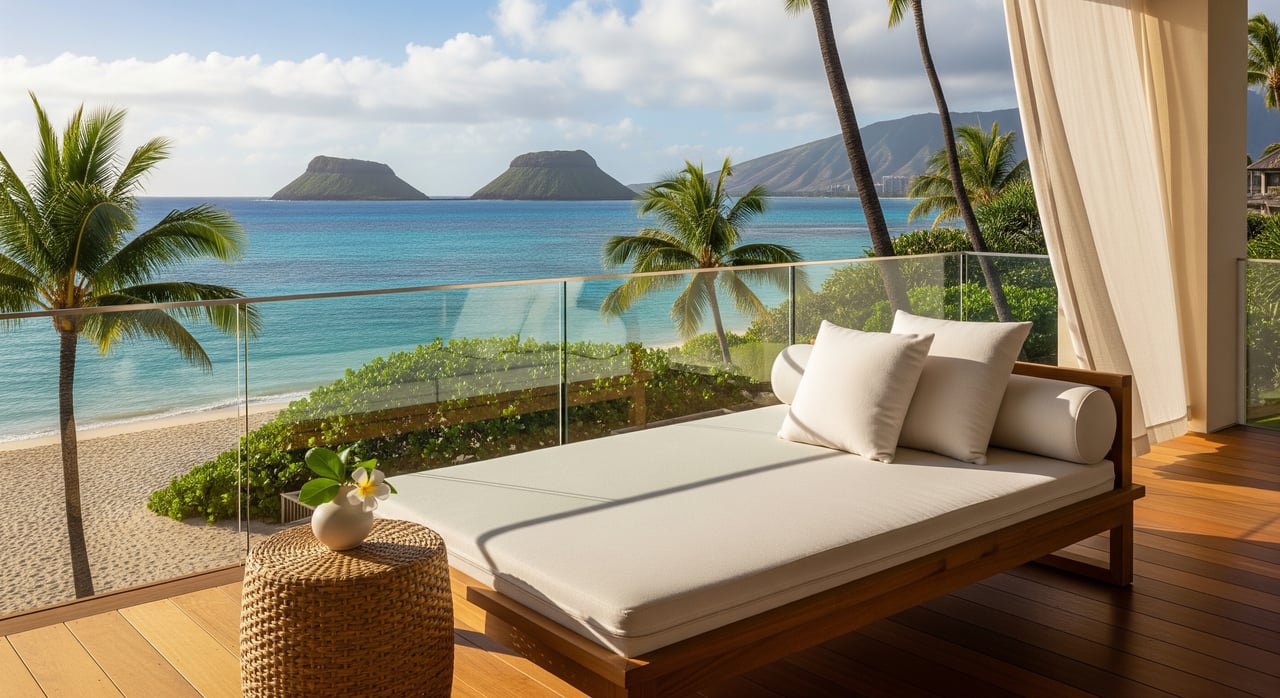
Salt air at sunrise, toes in soft sand by afternoon, and dinner in a walkable town wrapped by mountain views. If that sounds like your kind of day, Kailua may be exactly what you are picturing. You want beach access and an easygoing rhythm, but you also need real everyday convenience and clear guidance on rules and risks. This guide gives you a grounded look at life in Kailua, from beaches and trails to commuting, housing, costs, and practical checklists. Let’s dive in.
Kailua at a glance
Kailua sits on Oʻahu’s Windward coast, about a 20 to 40 minute drive from central Honolulu depending on traffic. The town centers on a low‑rise commercial core and two shoreline gems, Kailua Beach Park and Lanikai. The overall vibe is neighborhood‑focused, outdoorsy, and relaxed compared with urban Honolulu. You will find a strong small‑business culture and a community that values access to the ocean.
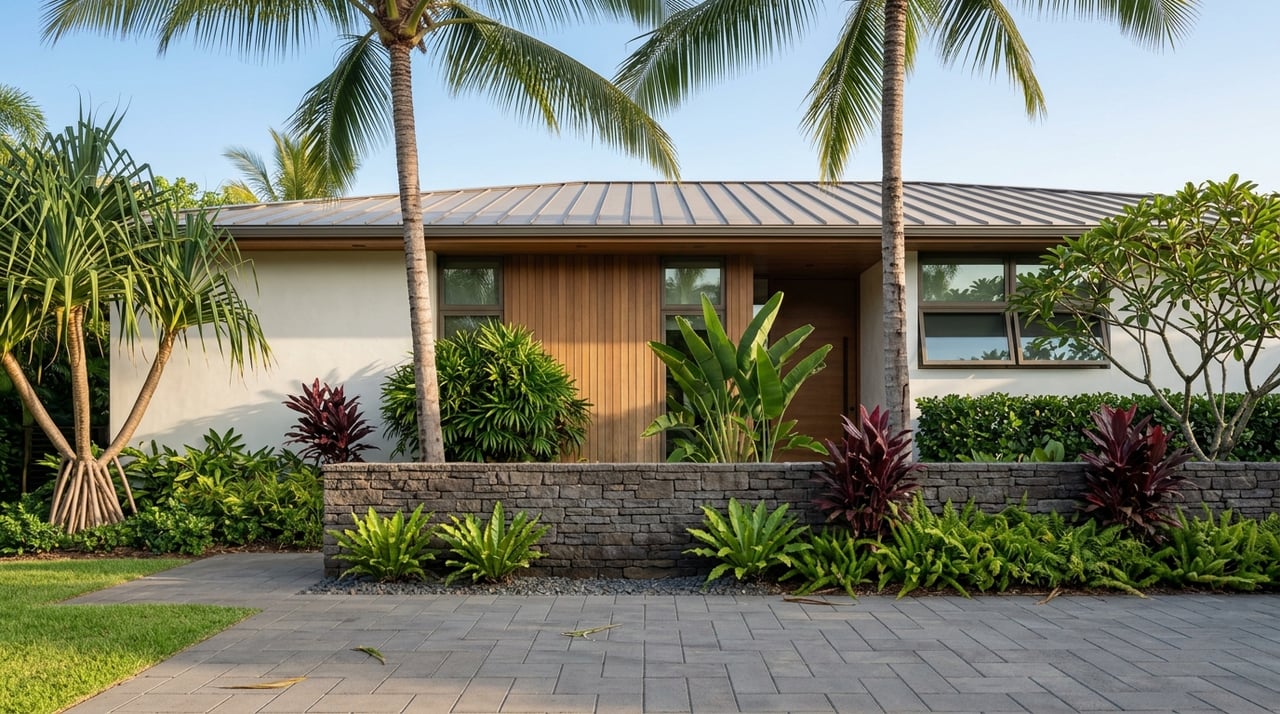
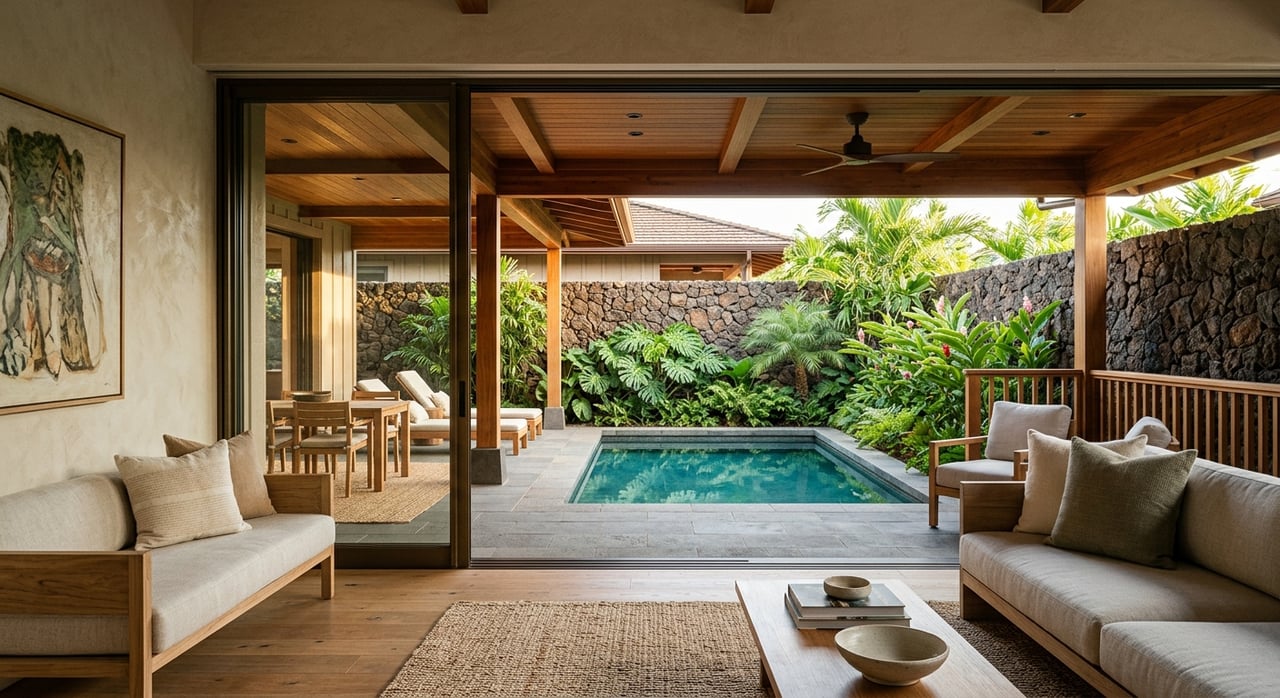
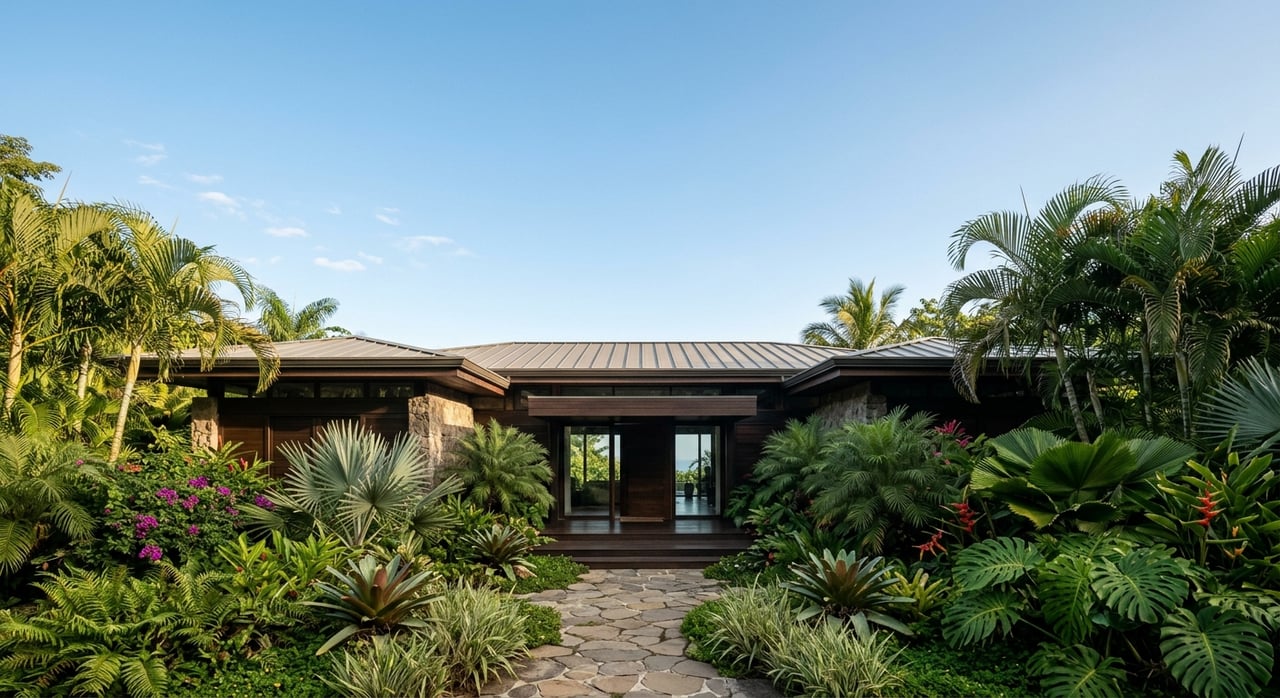
Kailua is a primarily residential area with many full‑time local families, professionals who commute to Honolulu, and some second‑home owners. Homes range from older cottages and mid‑century houses to renovated properties and newer custom builds, plus a handful of smaller condominium complexes. Coastal frontage and Lanikai addresses command a premium, while interior and mauka locations can be more attainable compared with the beach, though still above many Oʻahu neighborhoods.
Beach life and water time
Kailua Beach Park
Kailua Beach Park offers a wide, sandy shoreline and gentle, shallow water near the beach. It is a favorite for families, casual swimming, and launching kayaks or stand‑up paddleboards. Trade winds make conditions friendly for wind‑driven sports like windsurfing and kiteboarding. County lifeguards staff popular areas at many peak times, but coverage is not universal.
Lanikai and the Mokulua Islands
Lanikai Beach is iconic, with postcard views of the two offshore Mokulua Islands. Public access exists through marked paths, and the area is popular at sunrise. Parking and privacy are sensitive topics in this residential neighborhood, especially on busy weekends and holidays. Many paddlers head toward the Mokulua Islands, where landing and conservation rules apply.
Water safety basics
Ocean conditions change quickly on the Windward side. Currents, shifting wind, and occasional large surf can create hazards even on seemingly calm days. Local advice is simple. Check daily surf and wind reports, paddle with a partner, and avoid crossing exposed channels in rough conditions. Pay attention to posted signs and talk with lifeguards when in doubt.
Trails, parks, and weekend fun
Kailua gives you quick access to short hikes with big views. The Kaʻiwa Ridge, also called the Lanikai Pillboxes, is a short but exposed climb known for sunrise. Olomana, or Three Peaks, and Maunawili Falls are nearby favorites with sections that can be steep, narrow, or muddy. Go prepared and know your limits.
Family life plays out in neighborhood parks, community playfields, and small preserves across town. Weekend schedules often include youth sports, beach time, and community cleanups. You will see active volunteer groups focused on dune protection and native plant restoration, a reflection of the local stewardship mindset.
Daily conveniences in Kailua Town
You can live the beach lifestyle and still check off your errands close to home. Kailua Town features independent restaurants and cafes, surf and outdoor shops, and a mix of longtime local spots and newer concepts. Day‑to‑day needs are covered with grocery stores, pharmacies, hardware stores, banks, and small medical clinics in town. For hospital‑level care, residents typically travel to larger facilities on the leeward side or in Honolulu.
Getting around the Windward side
Most residents rely on cars for commuting and errands. Off‑peak drives to downtown Honolulu can be around 20 to 35 minutes. Peak periods are longer, and timing varies with weather and incidents. TheBus connects Kailua to Honolulu and other Windward communities, though transit can be slower than driving and subject to route frequency. Daniel K. Inouye International Airport in Honolulu serves Oʻahu and is reachable based on traffic conditions.
Schools and youth programs
Kailua is served by Hawaii Department of Education schools in the Windward district, with elementary, intermediate, and high school options in the area. You will also find private and parochial school choices. For current enrollment, boundaries, and performance data, review Hawaii DOE and individual school websites. Outdoor‑oriented activities are part of daily life, from swim lessons and surf or kayak coaching to a range of youth sports.
Housing and neighborhood feel
Housing in Kailua is diverse, but single‑family homes lead the way. Many streets feature mid‑century cottages and bungalows alongside renovated properties and new custom builds. Smaller condo complexes add options for those seeking lower maintenance. Beachfront and Lanikai properties are among the most desirable on Oʻahu. Interior and mauka homes offer quieter streets and relative value compared with the coast.
Many buyers are drawn by the combination of neighborhood life, beach access, and a strong sense of place. It is helpful to walk different micro‑areas at various times of day to understand street parking, traffic flow to the beach, and everyday rhythms.
Costs, climate, and maintenance
The cost of living in Kailua is higher than many mainland markets. Groceries, utilities, and services can all run higher due to transportation and island factors. Homes near the ocean face salt and moisture, which can affect roofs, windows, metal fixtures, and exterior finishes.
Plan for regular upkeep. Ask for termite treatment history, roof age, and any corrosion repairs. Consider durable materials and ventilation upgrades, and budget for maintenance that protects your long‑term value.
Rules that shape beach living
Short‑term rentals
Honolulu has tightened rules on short‑term vacation rentals, and many residential zones restrict them. If you are considering rental income, verify what is allowed under current city and county ordinances before you buy. Do not assume a property is eligible because of its location or past use.
Permits, setbacks, and coastal care
Renovations or new construction near the coast can trigger additional permits, coastal setbacks, and archaeological review. Project timelines may be longer in sensitive areas. Many residents also support dune and shoreline preservation, so thoughtful design and site planning are valued.
Coastal hazards and insurance
Coastal properties have unique risks. Flooding, storm surge, and long‑term sea‑level rise can affect parcels near the shoreline. Buyers should review FEMA flood maps, county hazard resources, and sea‑level rise tools to understand site‑specific exposure. Some areas fall within tsunami evacuation zones, so learn local routes and elevation details.
Homeowners insurance and flood insurance can cost more for coastal homes. Wind and flood coverage terms vary by carrier. Work with insurance providers who understand Hawaii’s risks and can explain coverage and deductibles in plain terms.
Practical house‑hunting checklist
Use this quick list to focus your search:
- Confirm flood, tsunami, and sea‑level rise risk for the parcel.
- Verify zoning and short‑term rental restrictions.
- Ask for roof, termite, and salt‑related maintenance history.
- Check off‑street parking and any neighborhood parking rules.
- Consider elevation and access during heavy weather.
- Test your commute to work and school during typical rush hours.
- Speak with neighbors and neighborhood associations about parking, beach access, and noise patterns.
- Gather current school information and extracurricular options for kids.
Is Kailua the right fit for you
If you want daily access to world‑class beaches, a walkable town center, and an outdoors‑forward routine, Kailua delivers. You will also want to plan for higher ownership costs, seasonal visitor traffic near the shore, and clear compliance with local rules. With the right guidance, you can balance beach proximity, privacy, and long‑term value.
When you are ready to explore homes, you deserve a trusted local partner with deep Windward roots and access to both listed and off‑market opportunities. Connect with Kalei Wodehouse to schedule a personal consultation.
FAQs
Is Kailua very touristy, or mostly local
- The beaches, especially Lanikai, draw many visitors during sunrise, weekends, and holidays, while the town itself maintains a local neighborhood feel.
What is the commute from Kailua to Honolulu like
- Off‑peak drives to downtown can be around 20 to 35 minutes, while peak periods are longer due to traffic and incidents.
Can you live near the beach year‑round in Kailua
- Yes, many families do, but expect premium prices, more frequent coastal maintenance, and variable visitor traffic, especially near popular access points.
Are short‑term vacation rentals allowed in Kailua neighborhoods
- Rules have tightened and many residential areas restrict short‑term rentals, so you must verify current city and county ordinances before planning rental income.
What should new residents know about ocean safety in Kailua
- Conditions change quickly with wind and currents, so check daily reports, paddle with a partner, avoid crossing exposed channels in rough water, and follow posted lifeguard guidance.