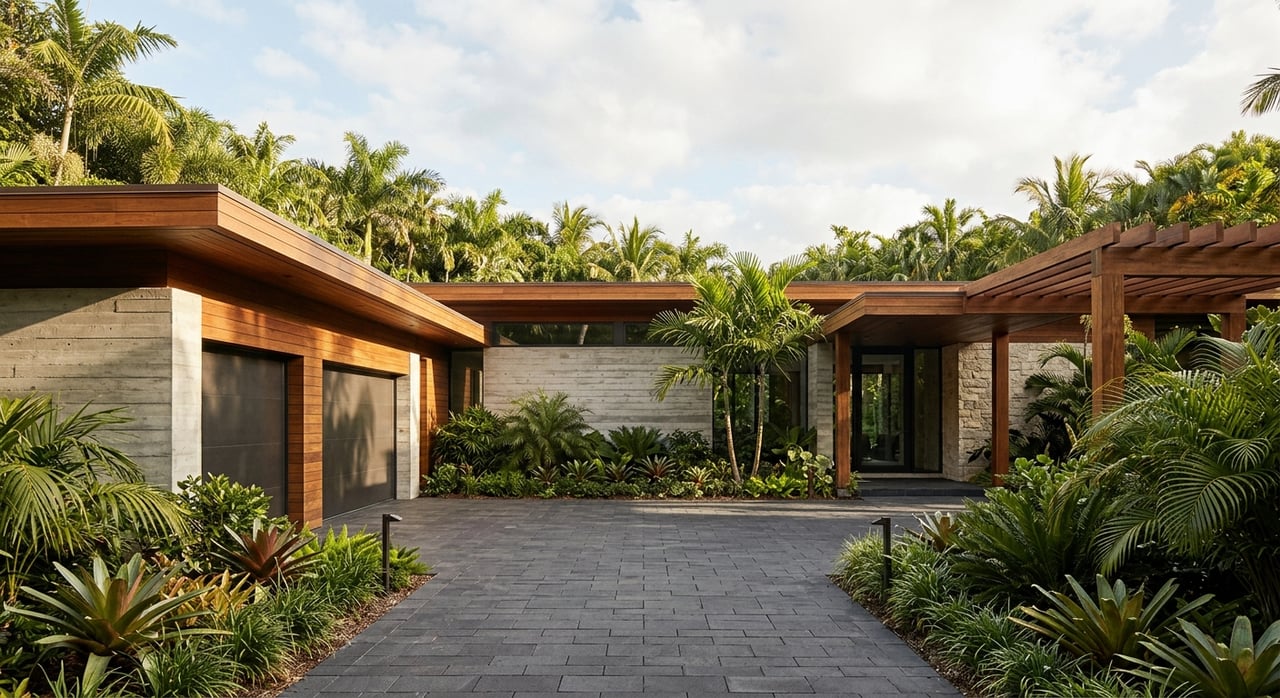
Dreaming about a second home in Lanikai? You are not alone. For many buyers, this stretch of shoreline represents a rare mix of beauty, privacy, and long-term value, but it also comes with real homework before you buy. If you want to make a smart move in this unique coastal market, this guide will walk you through what matters most. Let’s dive in.
Why Lanikai Feels Different
Lanikai is not a broad, high-inventory market where you can wait for endless options to appear. It functions more like a niche, premium submarket with limited turnover, which means the right property may take time to find and the wrong one can be costly to overlook.
That difference shows up in pricing and pace. The Honolulu Board of REALTORS® reported a March 2024 median sales price of $2.85 million for Lanikai single-family homes based on 2 sales, with a year-to-date median of $3.3 million on 5 sales. In contrast, Oʻahu’s median single-family home price in May 2026 was $1.166 million.
For you as a second-home buyer, that means Lanikai should be approached as a highly specific purchase. Local context, parcel details, and timing often matter more here than broad island-wide averages.
What You Are Most Likely Buying
In recent MLS reporting, Lanikai inventory appears in the single-family category. That points to detached homes and highly site-specific parcels as the core property type you are most likely to encounter.
In practical terms, your search may be less about comparing many similar homes and more about evaluating a small number of very different opportunities. Lot position, shoreline relationship, access, and usable outdoor space can all carry as much weight as the interior itself.
That is especially true if you want a home that works well for part-time living. In Lanikai, privacy, parking, guest logistics, and exterior usability can have a major impact on how enjoyable ownership feels day to day.
Understand Lanikai Access Before You Buy
One of the most important realities in Lanikai is access. The City’s transportation planning materials note that public roadway access is limited to one roadway, with no other public road outlet.
The same plan says Lanikai and the nearby Kailua Beach Park area have become major visitor attractions, which can lead to delayed ingress and egress, unpredictable travel times, and concerns about emergency response times. That is not a minor detail for a second-home buyer. It directly affects how you arrive, how your guests arrive, and how vendors or service professionals reach the property.
If you will not be living in the home full time, this becomes even more important. A trusted local point person can make a big difference when coordinating deliveries, maintenance visits, arrivals, and other routine needs.
Parking and Guest Logistics Matter
The City’s transportation plan also discusses parking controls, restricted parking zones, off-site parking, and other access strategies. If you plan to host family or friends, parking should be part of your buying criteria from the beginning.
A beautiful home can feel much less convenient if guest arrival is difficult or street parking is heavily constrained. In Lanikai, ease of use is part of the property’s real value.
Think Long Term, Not Quick Turn
Because supply is small and the neighborhood is access-constrained, a long-hold strategy usually makes more sense than a quick-turn investment approach. Many second-home buyers are drawn to Lanikai for lifestyle, legacy, and time in the home rather than fast resale.
That does not mean appreciation or investment quality should be ignored. It means your best purchase decision may come from balancing emotional fit with practical ownership factors like access, maintenance, and regulatory limits.
If your goal includes income potential, be cautious about making assumptions. Rental use, tax classification, and local entitlement rules should all be confirmed before you underwrite the property as an income-producing asset.
Coastal Risk Should Be Central
In a place like Lanikai, shoreline conditions are not a side topic. They are a core part of the buying decision.
Hawaiʻi’s coastal zone management program says the state coastline faces erosion, tsunamis, hurricanes, sea level rise, flooding, subsidence, earthquakes, and lava flows. The state climate portal specifically identifies Lanikai as a beach area already affected by chronic erosion.
For you, that means shoreline stability should be treated as a major value driver. It can influence current use, future improvements, long-term maintenance, and resale appeal.
Shoreline Reviews Are Essential
If you are considering a beachfront or near-beach property, a current shoreline certificate, survey, and setback review should be part of your due diligence. DLNR’s Land Division handles shoreline certifications, and Hawaiʻi law says a shoreline determination is valid for no longer than 12 months unless a narrow exception applies.
That timeline matters. An older document may not give you the current picture you need if you are evaluating buildability, additions, repairs, or future plans for the property.
Know the Tax Side of Second-Home Ownership
One of the most common mistakes second-home buyers make is assuming the tax treatment will look like a primary residence. In Honolulu, that should never be assumed.
Honolulu’s FY 2025-26 property-tax schedule lists different classes, including Residential A and Transient Vacation. Residential A is taxed at $4.00 per $1,000 for the first $1 million of net taxable value and $11.40 above that. Transient Vacation tiers are $9.00 up to $800,000 and $11.50 above.
The correct class depends on use and exemption status. That is why tax classification should be reviewed early, not after you are already deep into escrow.
Home Exemption Is Not Automatic
Honolulu’s home-exemption form requires the owner to certify that they own and occupy the property as their principal residence. The filing deadline is September 30 preceding the tax year.
For a true second home, that means primary-residence treatment is not a default benefit. If you are buying for occasional use, you should plan around second-home ownership costs rather than assuming a homeowner exemption will apply.
Rental Plans Need Careful Review
If you are hoping to offset ownership costs through rental income, you need a clear understanding of the rules before you buy. In Lanikai, beach proximity does not automatically mean a property can be used as a short-term rental.
Honolulu’s land use ordinance says it is unlawful to rent or advertise an unpermitted transient vacation unit for fewer than 30 consecutive days. A valid registration or nonconforming-use certificate is required.
Hawaiʻi’s Department of Taxation also says renting out a second home, vacation home, or other dwelling unit is taxable business activity. Rentals of 180 days or more and rentals under 180 days carry different General Excise Tax and Transient Accommodations Tax obligations.
Do Not Underwrite on Assumptions
If rental income is part of your plan, confirm these points before closing:
- Whether the property has the required rental entitlement
- How the property may be classified for tax purposes
- What rental duration aligns with current rules
- What your tax obligations may be based on intended use
In a low-supply market, it is easy to fall in love with the location first. Just make sure the use case you want is actually supported.
Remote Ownership Takes a Local Plan
Many second-home buyers in Lanikai live on the mainland, split time between multiple homes, or travel often. That makes a local ownership plan one of the most practical parts of your purchase strategy.
Because roads and parking are constrained, everyday coordination can take more thought than it would in a less complex neighborhood. Vendor access, service windows, maintenance issues, and guest arrivals all become easier when you have trusted local support.
For remote buyers, hands-on local representation can also help during the search itself. A property may look ideal online, but the real experience of access, parking, shoreline position, and surroundings often becomes clearer through in-person guidance and detailed walkthroughs.
A Smart Lanikai Due Diligence Checklist
Before you move forward on a second home in Lanikai, keep your review focused on the issues most likely to affect long-term ownership.
Here is a strong working checklist:
- Current shoreline certificate
- Recent survey
- Title review
- Property-tax classification review
- Rental entitlement confirmation, if applicable
- Clear local maintenance and vendor plan
- Access and parking evaluation for daily use and guests
These are the pressure points where local knowledge matters most. In a market this specific, careful diligence is part of protecting both your lifestyle and your investment.
Buying With a Legacy Mindset
For many buyers, a Lanikai second home is not just a getaway. It is a long-term family asset, a gathering place, or a property you may hold for many years.
If that is your goal, ownership structure should be part of the early conversation. Hawaiʻi’s Department of Taxation maintains estate and transfer tax forms, and Honolulu’s home-exemption paperwork shows that trust ownership can require additional occupancy certification.
That does not mean one structure is right for everyone. It means title, trust, and tax planning are worth coordinating with your legal and tax advisers before escrow gets complicated.
Final Thoughts on Buying in Lanikai
Buying a second home in Lanikai can be deeply rewarding, but it is best approached with clear eyes. This is a lifestyle purchase in a premium, thin market where access, shoreline regulation, tax treatment, and rental rules all carry real weight.
When you understand those pieces early, you can buy with more confidence and fewer surprises. The right property is not just beautiful. It also fits how you plan to use it, care for it, and hold it over time.
If you are considering a second home in Lanikai and want thoughtful guidance grounded in local knowledge, schedule a personal consultation with Kalei Wodehouse.
FAQs
What makes buying a second home in Lanikai different from buying elsewhere on Oʻahu?
- Lanikai is a premium, low-turnover single-family market with limited access, shoreline-related considerations, and more parcel-specific due diligence than many broader Oʻahu neighborhoods.
What property type should you expect when buying a second home in Lanikai?
- Recent MLS reporting points mainly to single-family homes, so most buyers should expect detached homes and highly site-specific parcels rather than a large mix of property types.
Why is shoreline due diligence important for a Lanikai second home?
- Lanikai is identified by the state climate portal as an area affected by chronic erosion, and beachfront or near-beach properties should be reviewed with a current shoreline certificate, survey, and setback analysis.
Can you use a Lanikai second home as a short-term rental?
- You should not assume that you can, because Honolulu says it is unlawful to rent or advertise an unpermitted transient vacation unit for fewer than 30 consecutive days and specific registration or certification is required.
How is a second home in Lanikai taxed?
- Tax treatment depends on the property’s use and exemption status, so a second home should not be assumed to receive the same property-tax treatment as a principal residence.
What should remote buyers plan for when purchasing a second home in Lanikai?
- Remote buyers should plan for local coordination around access, parking, vendors, deliveries, and maintenance, since Lanikai has constrained roads and visitor-related traffic pressure.