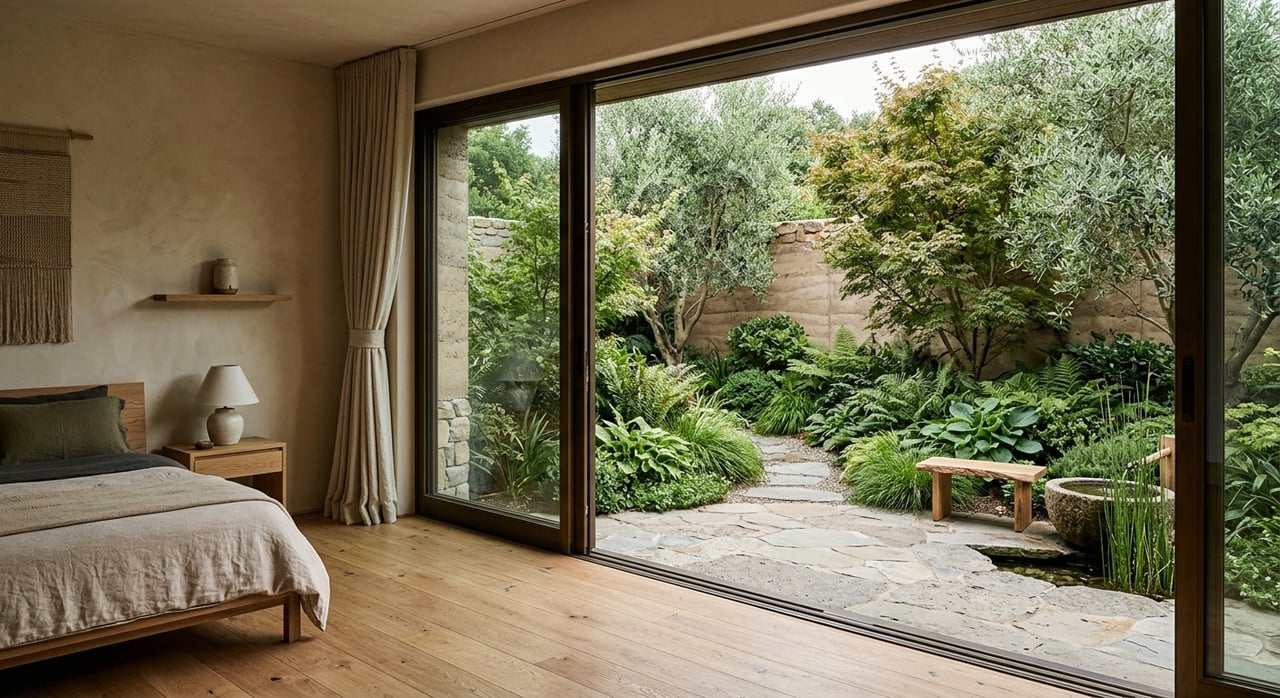
Selling in Lanikai can be private, polished, and fully compliant at the same time. If you want to protect your privacy without compromising your home’s value, the right preparation matters even more in this coastal, access-limited market. A discreet sale is not about doing less marketing or less prep. It is about making thoughtful choices before the first buyer ever hears your address. Let’s dive in.
Why Lanikai calls for a careful approach
Lanikai is not a typical neighborhood for home sales. According to the City and County of Honolulu’s Lanikai Transportation Management Plan, public roadway access is limited to one roadway, and once motorists enter the neighborhood, there is no other public road outlet. That limited access can make traffic flow, parking, and showing logistics more sensitive than in other parts of Oʻahu.
The same city plan notes that increased visitation has created congestion, parking pressure, and concerns about emergency response times. For a homeowner planning a discreet sale, that makes appointment-only access and tightly managed showings especially practical. In Lanikai, privacy is often supported by smart logistics.
Lanikai is also a high-value, low-volume market. In April 2024, the Honolulu Board of REALTORS local market update reported a single-family median sold price of $2,194,500 in Lanikai across four sales, with a median nine days on market. That kind of environment can reward sellers who prepare thoroughly and present the property well from day one.
Start with privacy-ready presentation
A discreet sale still needs a home that feels clean, calm, and move-in ready. The difference is that your prep should support both buyer confidence and personal privacy. Before any private showing or off-market conversation begins, take a hard look at what a buyer will notice right away.
The National Association of REALTORS® reports that buyers react negatively to clutter, visible dirt, odors, poor lighting, over-personalized spaces, crowded storage, and obvious deferred maintenance. Those issues can weaken interest quickly, even in a sought-after coastal market. If you want a low-profile sale, you want fewer distractions, not more.
Remove personal identifiers
In a private sale, depersonalizing is not just about design. It is also about security and discretion. Remove family photos, diplomas, monogrammed items, calendars, travel schedules, and anything else that reveals too much about who lives in the home.
You should also put away toiletries, prescription items, mail, paperwork, and visible device chargers or work materials. These small details can make a home feel less polished and less private. The goal is to let buyers focus on the property itself.
Clean beyond the obvious
Deep cleaning matters because buyers notice details fast. Kitchens, bathrooms, flooring, windows, and high-touch surfaces should feel fresh and well maintained. Closets, garages, and storage rooms also matter because buyers often open them.
NAR specifically notes that cluttered closets and overstuffed storage areas can turn buyers off. A clean, organized storage area suggests the home has been cared for. It also helps the home feel more spacious.
Fix visible maintenance issues
Discreet does not mean buyers will overlook repairs. Scuffed paint, sticking doors, damaged screens, worn caulking, burned-out bulbs, and neglected exterior details can create questions that ripple into bigger concerns. Addressing those items before showings helps protect your pricing position and keeps attention on the home’s strengths.
Focus staging where it matters most
If you plan to stage your home, you do not always need to stage every room. According to the 2025 Profile of Home Staging snapshot from NAR, 83% of buyers’ agents said staging made it easier for buyers to visualize the property as a future home. The most commonly staged rooms were the living room, primary bedroom, and dining room.
For many Lanikai sellers, those rooms are the best place to start. They shape the emotional first impression and often frame how buyers interpret the rest of the home. In a discreet sale, selective staging can create a refined, welcoming feel without turning the process into a broad public production.
Keep the look understated
Luxury presentation works best when it feels calm and natural. Avoid overly trendy decor or anything that competes with architectural details, natural light, or views. The home should feel elevated, not overly designed.
This is especially important in a place like Lanikai, where buyers may be drawn to indoor-outdoor living, shoreline proximity, and the overall setting. Clean styling supports the experience without overpowering it.
Prepare accurate photography
Some discreet sales still use photography for a private presentation, broker outreach, or a delayed marketing strategy. If you do, keep the images accurate and restrained. NAR notes that buyers can be disappointed when the online or pre-tour impression does not match the in-person experience.
That matters even more when you are limiting access and trying to qualify interest carefully. Photos should create confidence, not skepticism. Good photography should reflect the real condition, layout, light, and setting of the home.
Build your document file early
One of the best ways to prepare for a discreet sale is to get your paperwork in order before the first showing. Hawaii’s disclosure framework allows sellers and seller’s agents to rely, in good faith and with due care, on seller knowledge, government information, existing third-party reports, and HOA or managing-agent information when preparing disclosures, as outlined in HRS Chapter 508D.
That means you should gather the key records early so you are not scrambling later. A ready document file can make a private transaction smoother, faster, and more credible.
Useful records to gather
- Recent inspection reports
- Contractor invoices and repair records
- Permits and permit-related paperwork
- HOA or association documents, if applicable
- Title-related documents when available
- Any coastal, shoreline, or erosion-related records relevant to the property
For shoreline-adjacent properties, this prep is especially important. The city and state have documented dune restoration work on the Lanikai side of Kailua Beach Park, which makes coastal-condition questions especially relevant in this area.
Understand your confidential marketing options
Many sellers ask whether a Lanikai home can be sold fully off-market. In some cases, yes, but the structure matters. The NAR consumer guide to alternative listing options explains two privacy-oriented paths.
An office exclusive exempt listing is not shared on the MLS or publicly marketed. A delayed marketing exempt listing is entered into the MLS but withheld from IDX and syndication for a period of time. In either case, the seller must sign the required disclosure acknowledging the marketing choice and what is being waived or delayed.
Private outreach still has rules
NAR also explains in its multiple listing options FAQ that one-to-one broker-to-broker communication does not trigger the Clear Cooperation Policy, while broader multi-brokerage communication can. In practical terms, that means targeted, relationship-based outreach may support a discreet sale without turning it into a public campaign.
That approach fits both the rules and the setting. In Lanikai, where access is limited and showing flow matters, focused outreach and pre-qualified appointments can be a smart match.
Do not confuse privacy with reduced disclosure
A quiet sale does not reduce your legal obligations. Under HRS §508D-4, a seller cannot sell residential real property without a disclosure statement that is signed and dated within six months before, or ten calendar days after, acceptance of the purchase contract, delivered to the buyer, and acknowledged by the buyer. The buyer then has 15 calendar days to review the statement and may rescind within that period.
If your property is subject to recorded declarations or other use restrictions, you must also provide the governing documents and related rules as required under HRS §508D-3 and §508D-5. Compliance with that section fulfills the seller’s duty of disclosure for those recorded restrictions. In short, private marketing does not replace formal disclosure.
Amend disclosures if new facts come up
If you later discover information that directly, substantially, and adversely affects value, Hawaii law requires an amended disclosure within ten calendar days of discovery and before recorded sale, according to HRS §508D-13. That requirement matters whether the sale is public, delayed, or completely private.
The same chapter also states that disclosure requirements are in addition to other legal obligations and must be prepared in good faith and with due care under HRS §508D-14. Privacy should never come at the expense of accuracy.
Coastal homes need extra attention
For shoreline-adjacent property, disclosure can be even more specific. Under HRS §508D-15, sellers must disclose permitted and unpermitted erosion-control structures, expiration dates for permitted structures, notices of alleged violation, and fines tied to expired permits or unpermitted structures.
That is one reason early document review matters so much in Lanikai. If your home is near the shoreline, it is wise to identify these issues before a buyer does.
A simple checklist before showings begin
If you want to prepare your Lanikai home for a discreet sale, focus on these steps first:
- Declutter living areas, closets, storage, and garage spaces.
- Remove family photos, mail, paperwork, and other personal identifiers.
- Deep clean the home, including less visible spaces buyers may open.
- Repair visible maintenance issues before photography or tours.
- Stage the living room, primary bedroom, and dining room if needed.
- Use accurate, natural-looking photography if private marketing materials will be created.
- Gather inspection reports, repair records, HOA documents, and permit files.
- Review shoreline or erosion-related paperwork if the property is coastal.
- Choose the right privacy strategy, whether office exclusive or delayed marketing.
- Prepare disclosures carefully and update them if new material facts arise.
Why local relationships matter in a private sale
Discreet sales often depend on trust, timing, and the right introductions. Honolulu market research shows that 54% of buyers found their agent through a referral from a friend or family member, and 82% of sellers used a real estate agent. In a relationship-driven market, the quality of the network can shape the quality of the opportunity.
For a Lanikai homeowner, that can make a meaningful difference. A boutique, well-connected local agent can help you manage privacy, qualify interest, coordinate logistics, and keep the process aligned with both market realities and Hawaii disclosure requirements.
If you are considering a discreet sale in Lanikai, working with Kalei Wodehouse gives you a local, high-touch approach built around discretion, presentation, and thoughtful buyer outreach.
FAQs
Can a Lanikai home be sold completely off-market?
- Yes. NAR allows office exclusive exempt listings and delayed marketing options, but the rules depend on how the property is shared and whether it is publicly marketed.
What should a Lanikai seller do first before a discreet sale?
- Start with visible condition, privacy control, and document readiness by decluttering, deep cleaning, depersonalizing, fixing obvious issues, and gathering records.
Does a private home sale in Hawaii still require disclosures?
- Yes. Hawaii disclosure requirements still apply, even when a property is marketed privately or sold off-market.
What should not be hidden in a discreet Lanikai sale?
- Material facts should never be hidden, including later-discovered issues that substantially affect value and any required shoreline-related disclosures.
Which rooms matter most when staging a Lanikai home for sale?
- The living room, primary bedroom, and dining room are the most supported staging priorities based on NAR data.
Why are coastal records important for a Lanikai home sale?
- Shoreline-adjacent homes may involve erosion-related questions, restoration context, or required disclosures tied to erosion-control structures and permits.