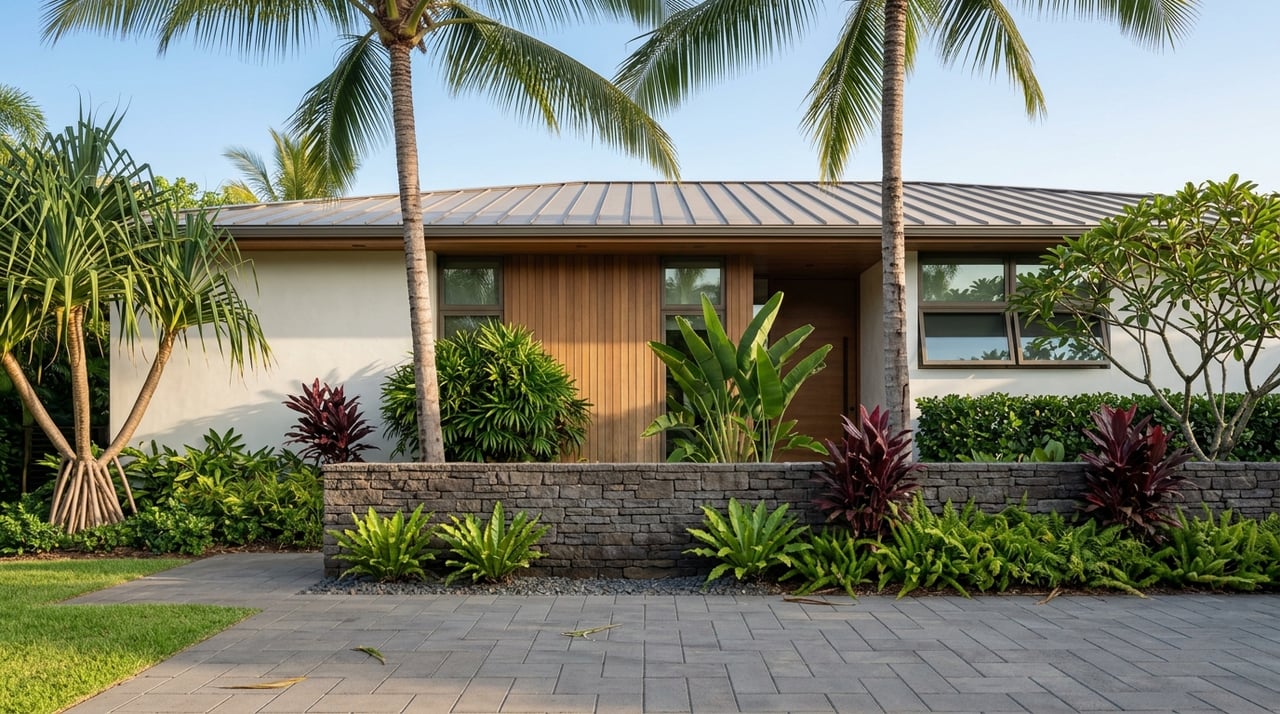
If you are thinking about buying in Kailua, it helps to ask a simple question: what actually holds value here over time? In a market known for its shoreline, outdoor lifestyle, and limited land, the answer is usually less about quick upside and more about staying power. If you are weighing a primary home, second home, or long-term hold, understanding how Kailua works can help you make a smarter decision. Let’s dive in.
Why Kailua Supports Long-Term Value
Kailua stands out as a stable, owner-occupied market. According to 2020 Census data, the area had 40,514 residents, a 74.4% owner-occupied housing rate, and 87.4% of residents living in the same home one year earlier. Those numbers point to a place where people tend to put down roots rather than chase short-term flips.
That matters if you are buying for long-term value. Markets with strong owner occupancy often behave differently than places driven by turnover or short-term speculation. In Kailua, the local pattern leans toward long-horizon ownership, lifestyle use, and careful property stewardship.
Kailua also has a high-income base and high home values. The Census reports a median household income of $146,615 and a median owner-occupied home value of $1.239 million. Together, those figures reinforce Kailua’s position as a premium residential market where value is often tied to quality, location, and holding power.
Limited Land Shapes the Market
One of the strongest value drivers in Kailua is simple: there is not much room left to grow. The City and County’s housing plan notes that the Kīhāpai Place parcel is the last undeveloped A-2 zoned parcel of its size in Kailua. That is a clear sign that large-scale infill opportunities are scarce.
For buyers, limited land supply can support long-term desirability. When new inventory is constrained, existing homes in well-positioned areas can carry added appeal over time. This does not mean every property performs the same way, but it does mean land scarcity is part of Kailua’s value story.
In practical terms, you are often buying into an established place rather than a fast-expanding one. That can be attractive if your goal is long-term ownership in a community with a defined character and limited large-scale change ahead.
Lifestyle Demand Is Real
Kailua’s appeal is not theoretical. The City says Kailua Beach Park and the Lanikai-Kaʻōhao shoreline have become even greater visitor attractions, and a related city article notes that Kailua Beach Park draws more than 1,700 visitors per day. Kailua Beach is also on Hawaiʻi Ocean Safety’s list of lifeguarded beaches with daily coverage.
For buyers, this matters because lifestyle is part of value in coastal markets. Kailua offers beach access, outdoor recreation, and the feel of a real residential community rather than a pure resort setting. That combination can support enduring demand from people who want to live there, not just visit.
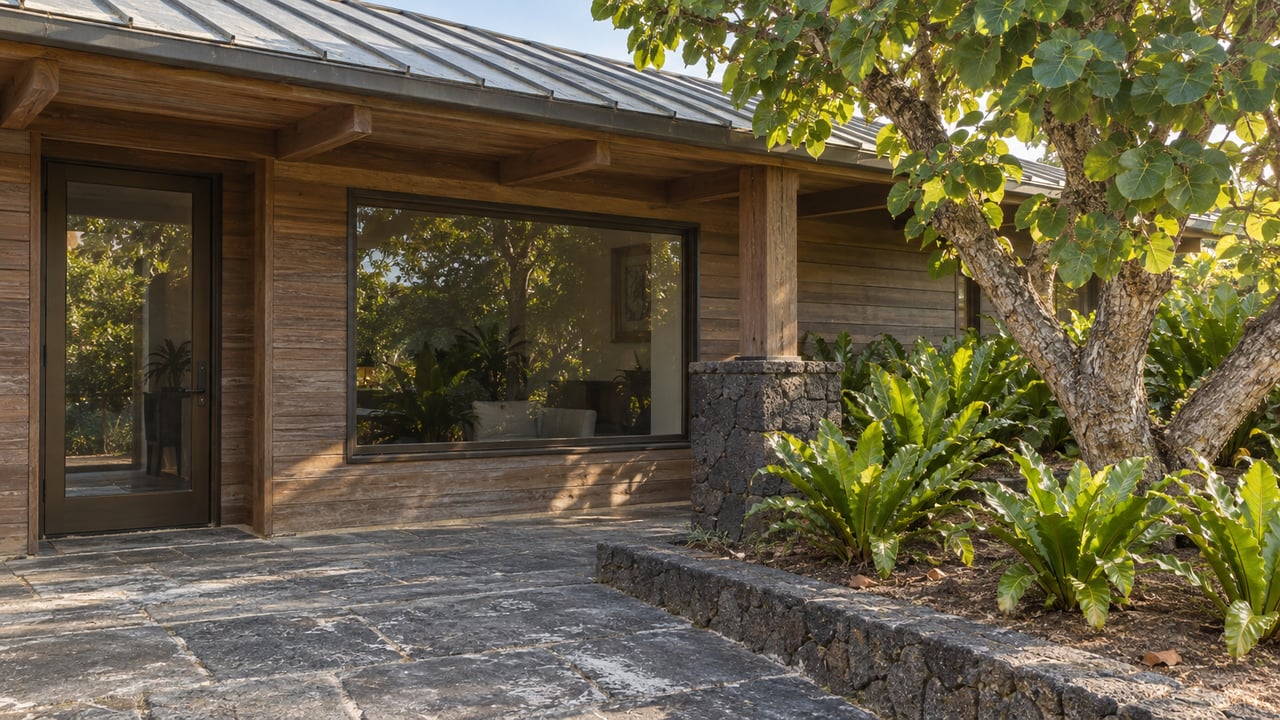
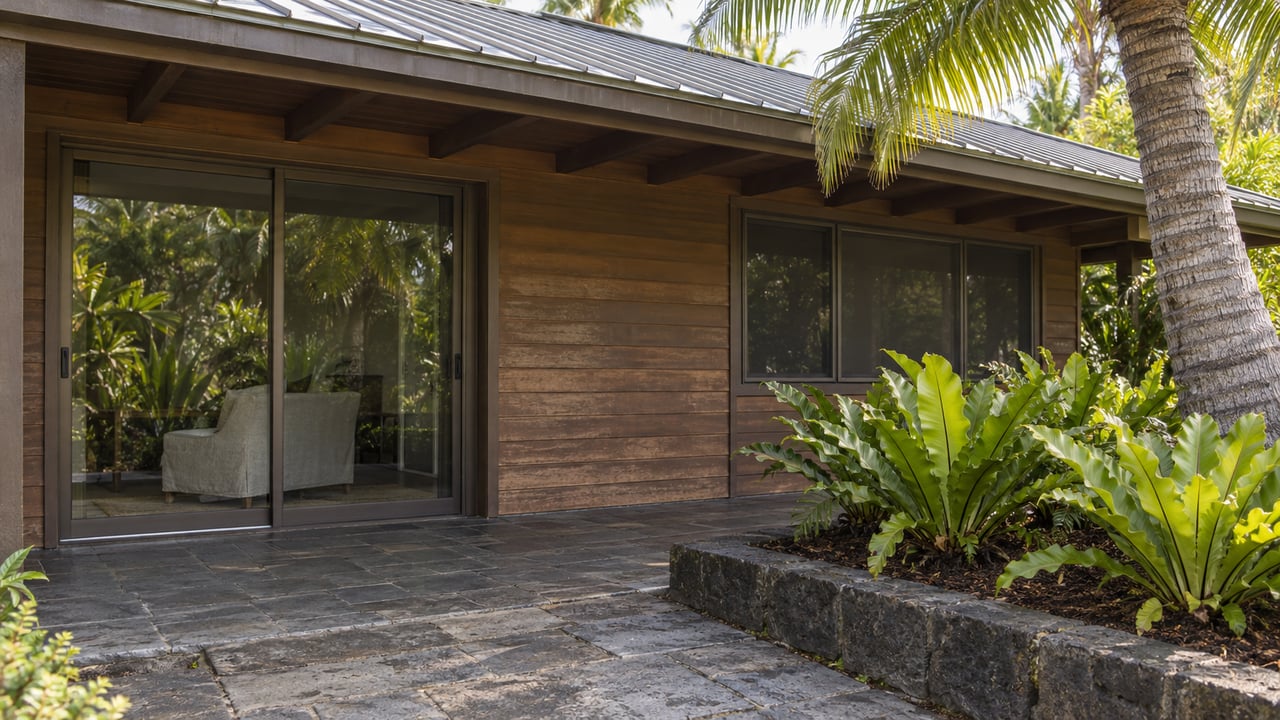
For many owners, the strongest investment case is tied to personal use and long-term enjoyment. A home that fits daily life, supports indoor-outdoor living, and offers practical access to the shoreline may have a more durable value case than one built around aggressive income assumptions.
Demand Comes With Daily Tradeoffs
Strong demand does not mean effortless ownership. The Lanikai Transportation Management Plan notes that Lanikai has only one public roadway outlet, no public parking lots for Lanikai Beach, and no restrooms, showers, or lifeguards on that half-mile stretch. It also says that regular residential access combined with high visitor demand places excessive strain on transportation resources.
For a buyer, this is important context. Privacy, exclusivity, and limited access can support long-term desirability, but they can also create traffic and circulation challenges during peak periods. If you are buying in or near highly visited coastal areas, day-to-day usability should be part of your decision.
This is why property-level selection matters so much in Kailua. Two homes with similar pricing may offer very different long-term experiences depending on access, parking, street positioning, and how well they handle peak beach traffic patterns.
Which Property Type Fits Best?
Primary Residence
Kailua can be a strong fit if you want a primary home with beach access, outdoor recreation, and an established owner-occupied setting. The area’s ownership profile supports the idea that many residents are there for the long run. That kind of continuity can appeal to buyers who want a home first and an investment second.
At the same time, carrying costs are real. Census data show median selected monthly owner costs with a mortgage at $3,969, while median gross rent was $3,068. That gap suggests ownership should be approached as a long-range lifestyle and wealth decision, not as a shortcut to lower monthly costs.
Second Home or Legacy Hold
For second-home buyers, Kailua often makes the most sense as a personal retreat paired with long-term capital preservation. This approach aligns with the market’s limited land, strong lifestyle demand, and established residential character. It is usually a better fit for buyers who value use, location, and holding quality over quick turnover.
That said, coastal ownership asks more of you. Honolulu flood-risk resources direct property owners to tools like the Coastal Flood Exposure Mapper, FEMA flood map tools, and Climate Ready Oʻahu because coastal parcels should be reviewed for sea-level rise, coastal erosion, and high-wave flooding exposure. In other words, buyers who are prepared for maintenance and resilience planning are generally better suited to this market than buyers looking for a hands-off asset.
Long-Term Rental Strategy
If rental income is part of your plan, you need to verify what is allowed before you buy. Honolulu’s Land Use Ordinance states that unpermitted transient vacation units may not be rented for fewer than 30 consecutive days, and that transient vacation units are only permitted in limited districts or under a valid nonconforming use certificate. Dwelling units rented for 30 consecutive days or more are treated differently.
The key takeaway is straightforward: do not assume a nightly rental strategy will work in Kailua. If income matters to your purchase, the property’s zoning, legal use, and parcel-specific facts should be confirmed early. In this market, long-term rental potential is something to verify carefully, not something to guess.
Coastal Stewardship Is Part of Ownership
Kailua’s shoreline is a major reason buyers are drawn here, but coastal value and coastal maintenance go together. The City and the Department of Land and Natural Resources are working with Hawaiʻi Sea Grant on dune restoration along the Lanikai side of Kailua Beach Park because the shoreline has experienced significant erosion. The city also says beach loss in this area and around Hawaiʻi will continue to be an issue, and that the Kailua Beach dune system has narrowed over the past few decades.
For owners, this means stewardship is not optional background noise. It is part of the ownership experience in a coastal market. Homes near the shoreline can offer exceptional lifestyle value, but they also require attention to maintenance, exposure, and long-term resilience.
That does not make coastal property a poor investment. It means the best buyers go in with clear eyes. In Kailua, long-term value is often strongest when ownership decisions account for both beauty and responsibility.
Think About Exit Strategy Early
One of the smartest ways to evaluate a Kailua purchase is to ask how the home may be viewed years from now. The long-term value thesis here favors well-positioned properties with strong outdoor living, practical access, and visible maintenance discipline. Buyers and future buyers alike tend to notice how a home functions in its setting.
The City’s sea-level-rise guidance warns that high-tide flooding can arrive decades before average sea-level-rise projections fully play out. It also identifies the 2.0 to 3.2 foot rise range as a critical threshold for low-lying coastal plains. For a long-term owner, that makes flood-zone review, site drainage, and resilience-minded property features part of the exit strategy from day one.
If you plan to hold for years, resale is still worth thinking about now. Homes that show careful upkeep, practical site planning, and a realistic approach to coastal conditions may be better positioned when it is time to sell.
What Smart Buyers Focus On
If you are evaluating investment homes in Kailua, these are often the most important filters:
- Holding period: Kailua is generally better suited to long-term ownership than fast-turn speculation.
- Location quality: Beach access, privacy, and practical daily access all matter.
- Land scarcity: Limited future development helps support the appeal of existing homes.
- Rental rules: Do not assume short-term rental income is available.
- Coastal risk review: Flood exposure, erosion, and sea-level-rise planning should be part of due diligence.
- Maintenance discipline: In a coastal market, upkeep affects both enjoyment and resale.
These points are especially important if you are buying from the mainland or balancing personal use with investment goals. In Kailua, the strongest purchases are usually the ones that match your lifestyle, your time horizon, and your willingness to own thoughtfully.
Kailua can be a compelling place to buy if you see real estate as more than a spreadsheet. Its long-term value comes from a rare mix of limited land, strong owner occupancy, iconic shoreline access, and a deeply established residential feel. If you want help weighing listed and off-market opportunities with a clear view of long-term fit, Kalei Wodehouse can guide you with local insight, discretion, and hands-on support.
FAQs
What makes Kailua homes a long-term investment play?
- Kailua’s high owner-occupancy rate, limited land supply, premium home values, and enduring lifestyle appeal support a longer-hold ownership strategy rather than quick speculation.
Can you use a Kailua home as a short-term rental?
- Honolulu rules state that unpermitted transient vacation units may not be rented for fewer than 30 consecutive days, so you should verify legal use parcel by parcel before buying.
Are coastal risks important when buying in Kailua?
- Yes. City resources say coastal parcels should be evaluated for sea-level rise, coastal erosion, and high-wave flooding exposure as part of your due diligence.
Is Kailua better for a primary home or second home?
- It can work for either, but the best fit often depends on whether you value daily lifestyle use, long-term holding power, and your ability to manage coastal maintenance over time.
What should buyers review before purchasing a Kailua investment home?
- You should closely review access, parking, rental rules, flood and erosion exposure, drainage, maintenance needs, and how the property may perform as a long-term hold.