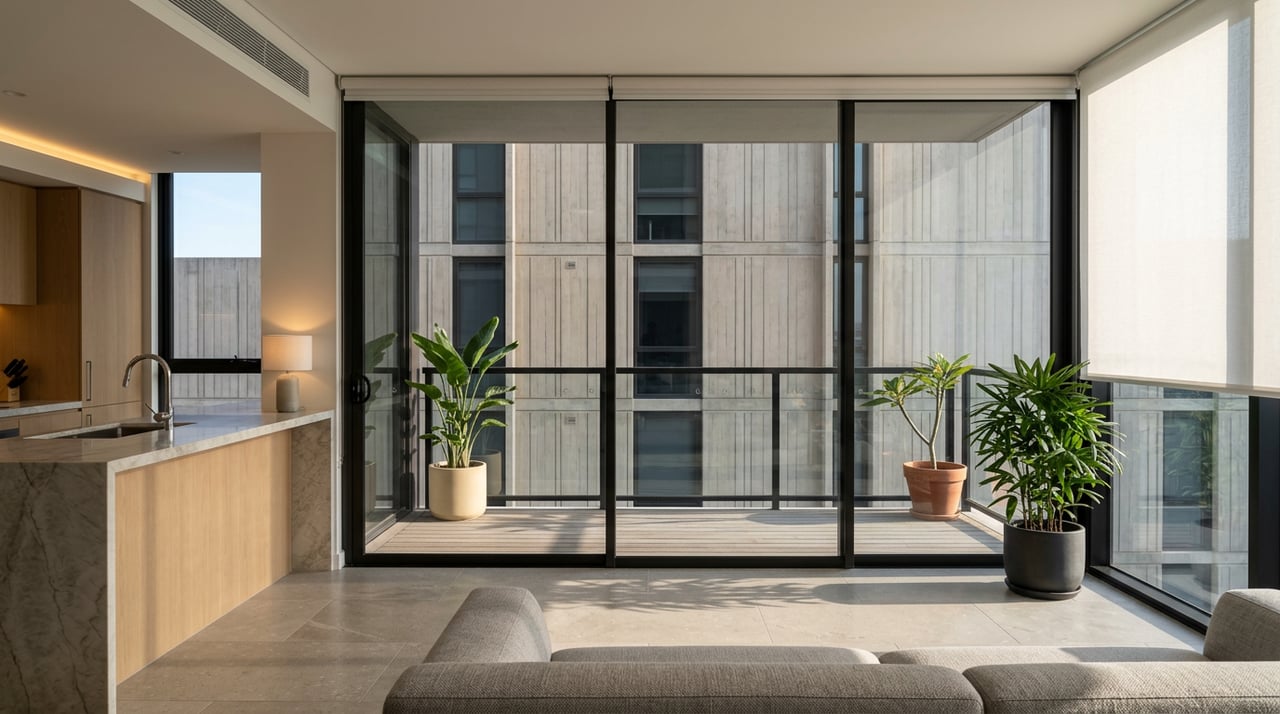
Two versions of island living often top your shortlist: a high-rise luxury condo in urban Honolulu or a coastal single-family home with sand and sea at your doorstep. Both deliver Hawaii’s beauty, yet they feel very different day to day. In this guide, you’ll compare lifestyle, access, maintenance, and required disclosures so you can choose the fit that matches how you live. Let’s dive in.
Quick market snapshot
Oʻahu’s markets run on two tracks. The islandwide median for single-family homes sits around the low seven figures, while condos tend to be about half that. In February 2026, the Honolulu Board of REALTORS® reported a single-family median near $1.2M and a condo median near $500K, with more condo inventory by count and tighter single-family supply. See the full summary in the Honolulu Board of REALTORS® market report.
What this means for you: focus on the lifestyle trade. Luxury condos cluster in neighborhoods like Kakaʻako, Ala Moana, and Waikiki, where you can walk to dining and services. Coastal single-family homes that put you near the sand show up in areas like Diamond Head, Hawaii Kai, Kailua and Lanikai, Waimanalo, and the North Shore. Your choice is less about which is cheaper and more about how you want to live.
Lifestyle tradeoffs at a glance
Urban luxury condo life
If you want walkability and convenience, a luxury condo in central Honolulu checks the boxes. You get amenity-rich buildings, often with pools, gyms, lounges, and attentive staff. Many buyers choose condos for turnkey, lock-and-leave living that supports frequent travel or a part-time schedule. Building rules shape daily life, so expect guidelines for exterior changes, storage, and short absences. For a sense of how amenities and association coverage work, review building-level notes and examples gathered in local summaries like this Honolulu condo resource hub.
Coastal single-family rhythm
If you picture sunrise paddles, board storage, and backyard meals, a coastal house brings that to life. You gain private outdoor space, room for gear, and direct access to ocean recreation in many neighborhoods. You also trade closer urban conveniences for a more place-based routine. Beach-adjacent streets can see daytime activity from visitors, which varies by neighborhood and season.
Getting around and access
Condos and city connections
Central Honolulu condos often cut your daily drive time. They sit close to business districts, medical hubs, and major shopping. Honolulu’s Skyline rail is rolling out in phases, and condos near station corridors will benefit most from added transit options over time. Track status and construction updates on the Honolulu rail project page.
Coastal drives and commute math
Coastal neighborhoods offer quiet streets and ocean access, but most errands and commutes rely on a car. If you plan to work in town, weigh your likely drive windows, school or activity schedules, and how often you can shift to off-peak hours. If your life is neighborhood-centric, the trade can feel well worth it.
Maintenance, insurance, and resilience
What condos include and your role
In a condo, the association typically handles common areas, building exteriors, elevators, amenities, and a master insurance policy. You still carry an HO-6 policy for your unit’s interior, contents, and potential loss assessments. Healthy reserves and a transparent special-assessment history matter. Review budgets, reserve studies, minutes, and insurance summaries during your diligence. For a quick overview of association responsibilities and owner coverage, start with this local condo guide collection.
Maintenance fees vary by building, age, amenity package, and whether utilities are included. Rather than chasing an “average,” compare the specific services covered, staff levels, and recent or upcoming capital projects as you evaluate buildings.
What coastal homeowners handle
Coastal single-family ownership is hands-on. Plan for landscaping and irrigation, exterior painting, and corrosion control since salt air accelerates rust on metals and hardware. Schedule regular roof checks before storm seasons and keep an eye on drainage and retaining structures. Hawaii’s termite pressure is real, so inspections and prevention are routine. The University of Hawaii’s team maintains homeowner guidance and events through the UH CTAHR Termite Project.
Some coastal parcels may have seawalls or shoreline protections. Repairs, replacements, and vegetation work can require permits. If the home has older wastewater infrastructure, confirm the system type and permit status early. These items can drive timeline and cost.
Insurance and flood exposure
Flood and wind exposure rise near the coast, and flood insurance pricing follows FEMA’s Risk Rating 2.0 framework. Obtain quotes early along with an elevation certificate if needed. Use FEMA’s official maps to confirm zone and base flood data at the FEMA Flood Map Service Center.
Climate, shoreline, and legal disclosures
Sea level rise and disclosure
Hawaii uses a statewide Sea Level Rise Viewer and a designated Sea Level Rise Exposure Area. If a property lies within the 3.2-foot SLR-XA, sellers must disclose that status under HRS §508D-15. Many low-lying coastal areas on Oʻahu, including parts of south shore urban Honolulu, appear in the exposure area. Add the viewer to your diligence list and discuss findings with your agent and inspector. Explore the interactive map on the State’s Sea Level Rise Viewer.
Wastewater and cesspools
Some older Oʻahu homes still use cesspools. Hawaii law established a statewide program to upgrade or convert cesspools, and owners must confirm system type and whether a parcel appears on Department of Health priority lists. Conversion costs and timelines vary, and limited financial support programs exist in some counties. Learn more on the Hawaii Department of Health’s Cesspool Conversion Working Group page.
Short-term rentals and zoning
Honolulu’s short-term rental rules are complex. Daily or short stays are largely limited to resort zones or units with specific registration or Non-Conforming Use Certificates. Rules around minimum stay lengths, registration, and insurance have evolved, and portions have faced litigation. If you plan to host guests or rely on rental income, verify current zoning and eligibility before you buy. The Honolulu Board of REALTORS® offers a helpful overview for disclosures and STR checks in this informational bulletin.
Day-in-the-life snapshots
If you choose a luxury condo
It is Tuesday. You grab a coffee downstairs, walk to Ward for lunch, then finish a video call in a quiet lounge before sunset laps in the pool. Bags packed by the door, you lock up and head to the airport for a quick interisland trip. The building staff keeps an eye on deliveries while you are away.
If you choose a coastal home
It is Saturday. You roll a paddleboard from the garage to a nearby beach access, then rinse off in your yard and host friends on the lanai. In the afternoon, you chat with a contractor about touch-up painting and a scheduled roof inspection next month.
Due diligence checklists
For a luxury condo
- Review AOAO documents: current budget, reserve study, recent minutes, and any special or planned assessments. For context on what associations typically cover, see this Honolulu condo reference.
- Confirm what your fees include: water, sewer, trash, internet, and electricity vary by building. Note parking and storage details.
- Clarify building rules on long absences, subletting, and short-term rentals, and align them with city rules.
- Discuss HO-6 coverage with your insurer and understand the master policy’s scope and deductibles.
For a coastal single-family home
- Map flood and sea level rise exposure with the FEMA Flood Map Service Center and the State Sea Level Rise Viewer; secure an elevation certificate if requested.
- Verify wastewater: sewer connection or permitted septic/aerobic system, and whether a cesspool conversion is expected, using the Hawaii DOH resource.
- Confirm shoreline history and permits for any seawall or revetment. State and county coastal management guidance outlines requirements; start with the Hawaii Coastal Management updates.
- Order a termite inspection and review roof age, corrosion-prone components, drainage, and ventilation. UH guidance is at the CTAHR Termite Project.
- Obtain wind and flood insurance quotes early. Pricing and deductibles can change your monthly carrying cost.
How to choose with confidence
Start with what you value most. If your top priority is effortless, lock-and-leave living near dining and services, a well-managed luxury condo could be your sweet spot. If you want private outdoor space and direct access to a coastal lifestyle, the single-family path likely fits better. In both cases, the best decisions come from clear diligence around disclosures, association health or infrastructure status, and insurance.
When you are ready to compare specific Honolulu buildings or coastal neighborhoods like Kailua and Lanikai, connect with a local advisor who lives this lifestyle and understands the details that shape value. If you would like tailored guidance, schedule a personal consultation with Kalei Wodehouse for an on-the-ground perspective and a plan that fits your goals.
FAQs
What are the main cost differences between Honolulu condos and Oʻahu coastal homes?
- Condos often have lower purchase prices islandwide than single-family homes and include association-covered items, while coastal homes carry higher hands-on maintenance and potentially higher insurance.
How do Honolulu short-term rental rules affect condo ownership?
- Daily or short stays are limited to specific zones or units with registrations or NUCs, so verify current eligibility and building rules before relying on rental income.
Do coastal homes on Oʻahu require flood insurance?
- Many lenders require flood coverage based on FEMA maps and site elevation, and premiums vary by parcel under Risk Rating 2.0.
What maintenance differences should I expect between a condo and a coastal home?
- Condos centralize exterior upkeep and amenities through the association, while coastal homes require owner-managed landscaping, corrosion control, roof checks, and termite prevention.
Will Honolulu’s rail help if I buy a condo in town?
- Condos near Skyline station corridors may gain convenience from added transit options as phases come online, which can reduce daily driving.
What should I know about cesspools when buying a coastal single-family home?
- Some older homes still use cesspools, and Hawaii’s conversion program may require upgrades, so confirm system type, permits, and any priority listing early in diligence.