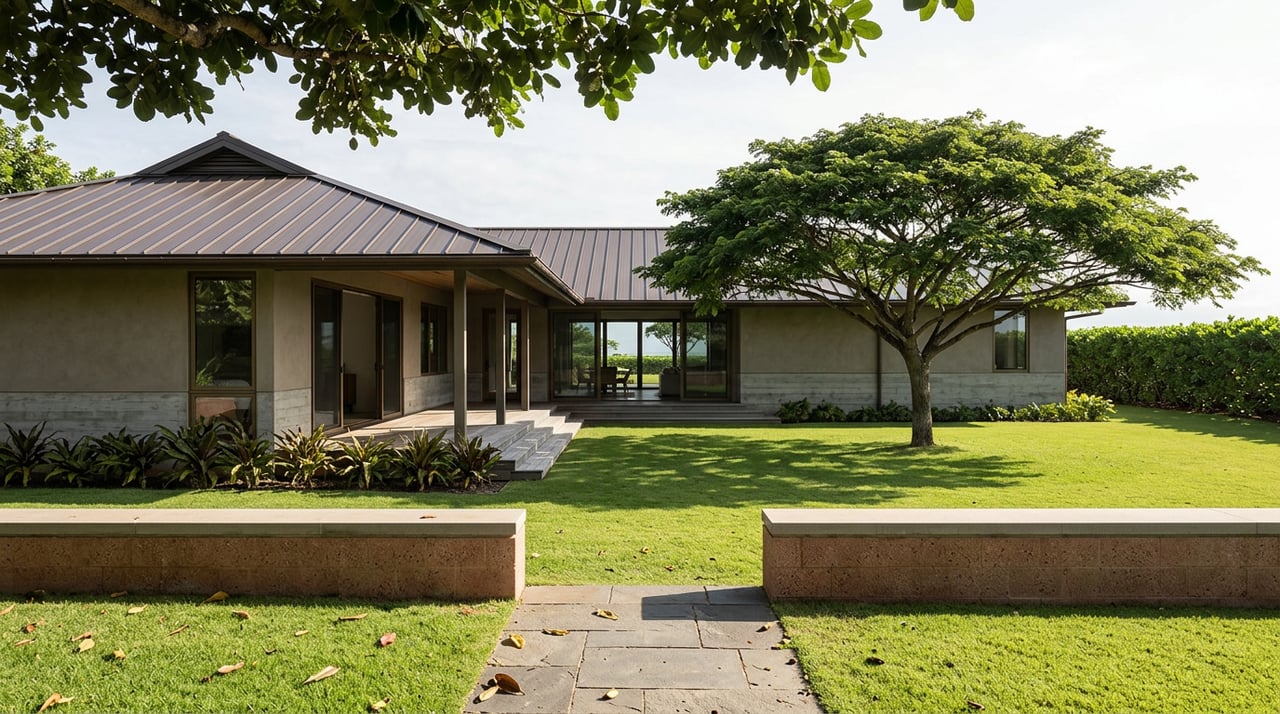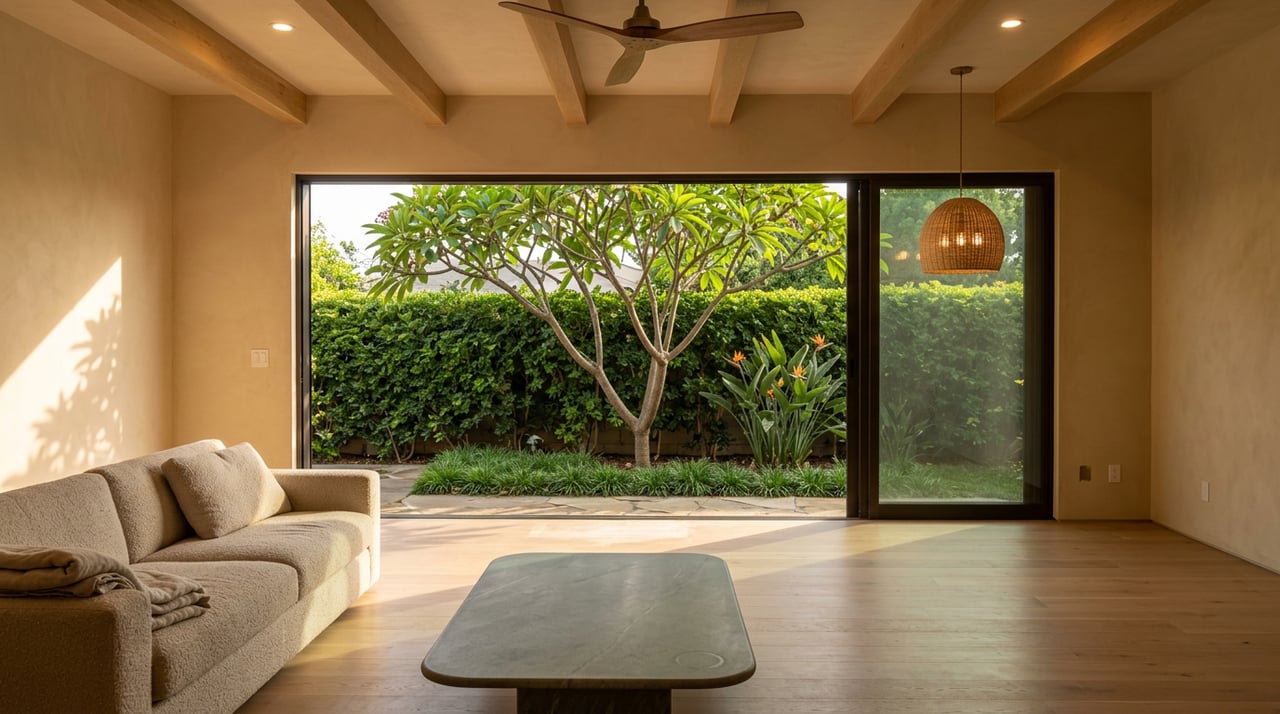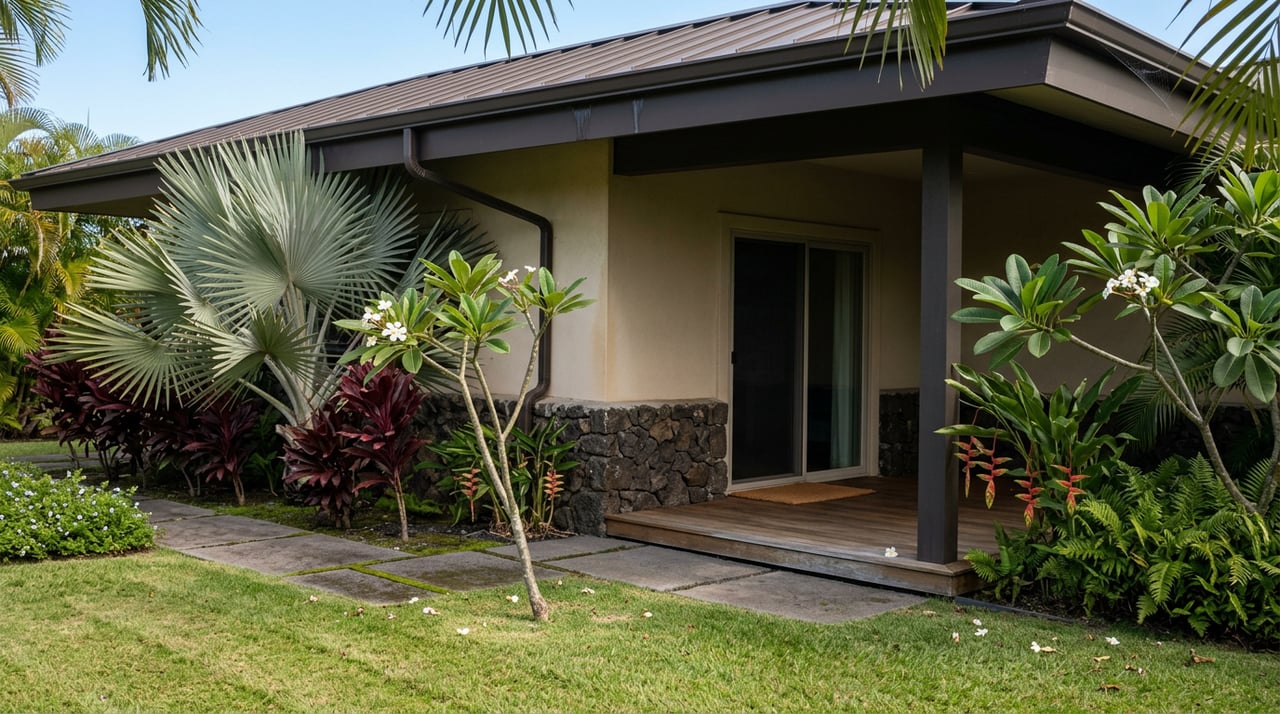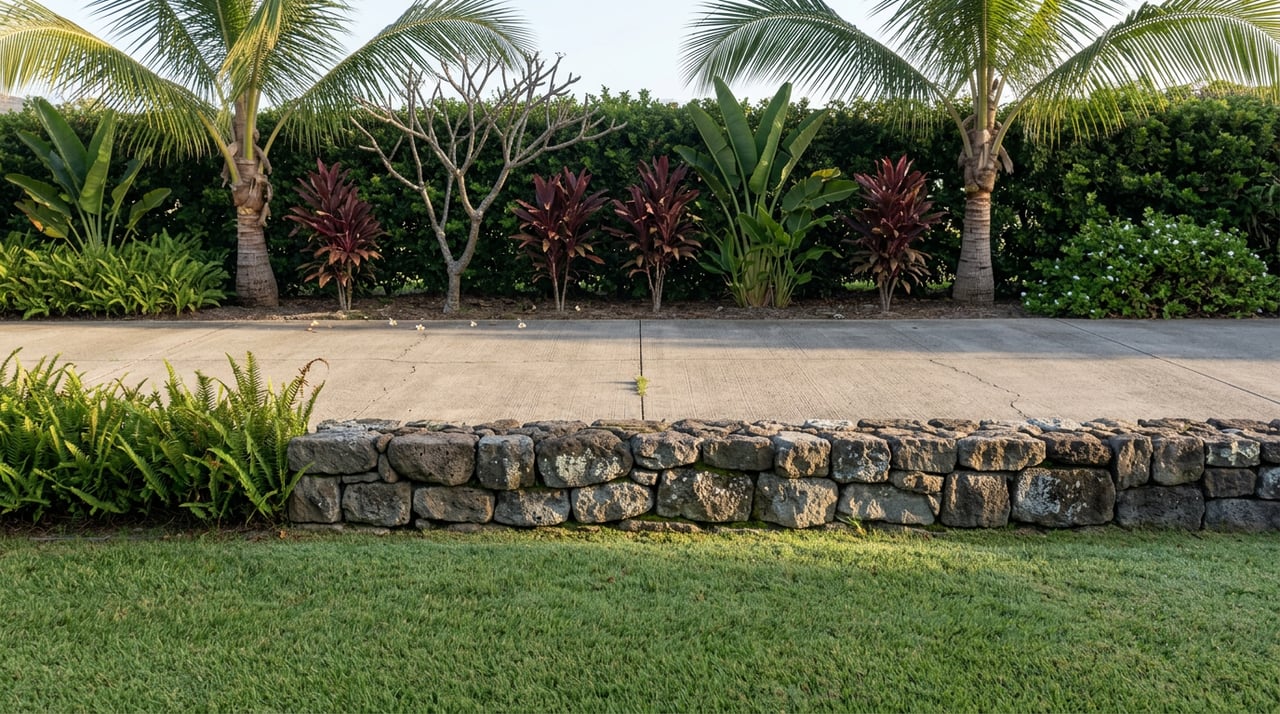
Drive Mokulua Drive at 7 a.m. this month and the first thing you notice is what's missing. No line of rental cars nosed onto the grass. No idling SUV blocking the view around the bend by the beach access lanes. Just the road, the hedges, and whoever is out walking a dog before the heat sets in.
That quiet is not an accident of the calendar. It is the direct result of a rule that took three years to write and one summer to actually enforce. And if you have lived on or near the Loop for more than a few seasons, the story you have heard about this rule is probably half right.
What the City Actually Did
On July 1, 2026, the Honolulu Department of Transportation Services made parking permanently illegal, all day, every day, on Mokulua Drive. Aʻalapapa Drive got the same treatment shortly after. Between them, the two roads form what everyone here calls the Lanikai Loop, and until this year it was the closest thing the neighborhood had to a public parking lot.
The cross streets that connect the two drives were converted to one-way routes, with parking allowed on one side but banned there too between 10 a.m. and 4 p.m. A handful of three-minute loading zones survive here and there, mostly for drop-offs. Everything else is a $200 ticket and a tow. On three-day weekends, the whole neighborhood becomes a special enforcement district, which is a formal way of saying the leeway that used to exist around holidays is gone too.
None of this happened quickly. The Department of Transportation Services spent years developing the plan with the Kailua Neighborhood Board, presenting a final version in mid-2025 and then working through implementation details into 2026. By February 2026 the fight had moved from planning documents to a packed board meeting where residents split into two camps: those who wanted the loop closed to parking immediately, and those who thought a full ban went too far.
The Math Nobody Disputed
Whatever side of that meeting you were on, the numbers that got the plan approved were not really in question. City officials told Hawaii News Now that roughly 170 cars were parked illegally along the loop on a typical day, many of them nosed onto grass shoulders that are technically unimproved sidewalk. Lanikai Traffic Committee chairman Mike Groza described what that looked like from the inside: cars parked at blind corners, cars in driveways that were not theirs, residents who could not get to medical appointments because the loop was gridlocked by people looking for a spot that did not exist.
The story that tipped the room, though, came from Jade Lau, who chairs the Kailua Neighborhood Board's transportation committee. She described a near miss on the loop herself, a driver behind her so frustrated by the wait that he tried to pass on a blind stretch and nearly clipped a child on a bike. That is the story that reframed the whole debate from a parking nuisance into a safety problem, and it is why the final language from residents at that meeting was less about convenience and more blunt.
"It's about health and safety."
That was one resident's answer to the people arguing the ban was overkill. Tom Cestare, who led the Lanikai Association through most of the planning process, put the community's position even more plainly when a reporter suggested residents just did not want to share the beach.
"We don't want your cars."
The Part That Didn't Make the Headlines
Here is where most coverage of this story stops, and where it misses something residents figured out fast. The ban was written to solve a visitor problem. It also solved, or eliminated, a resident workaround that had nothing to do with tourists.
Before July, if you had family visiting for a week, or a contractor redoing your lanai, or a grandchild's soccer carpool needing somewhere to idle, you parked in front of your own house. Everyone did. It was against the letter of the code in some cases, but enforcement looked the other way often enough that it functioned as an informal privilege of living here. Taylor Vierra, whose family has parked in front of their Mokulua Drive home for generations, said the quiet part out loud to Hawaii News Now before the ban took effect: a rule built to stop beachgoers should not, in her view, punish homeowners who have been here for generations.
It did anyway. The ban does not distinguish between a rental car circling for a sunrise photo and your own truck parked in your own driveway apron. That is the tradeoff nobody put on a flyer. The mechanism built to solve a visitor problem closed a resident habit at the same time, because the two were, on the pavement, indistinguishable.
What the Rocks Were Actually For
If you have walked the Loop for years, you already know the lava rocks. They line the grassy shoulders in front of a lot of properties, and if you assumed they were landscaping, you were only half right.
Longtime residents will tell you those rocks were never purely decorative. They were a low-grade, decades-old defense system, placed by homeowners to keep visitors from parking their cars on the grass strip in front of a house, a mailbox, or a driveway apron. It was never official. It was never uniform. It was just what you did if you got tired of finding a stranger's bumper six inches from your hedge.
The interesting question this summer is whether those rocks are still doing anything. Where a rock line was defending a driveway apron from beach traffic, the city's ban now does that job instead, backed by a $200 fine instead of a homeowner's landscaping choice. Where the rocks guard a mailbox or a flower bed from a driver cutting a corner, they still earn their keep, because the ban does not stop someone from clipping a curb on their way through.
Walk your own block and look at the rock line in front of your house. Some of what you are looking at is still infrastructure. Some of it, as of July, is a record of a problem that does not exist in quite the same way anymore.
Getting People In Without a Place to Park Them
The practical question in every neighborhood group thread right now is not about enforcement. It is about hosting anyone at all. Three options have become the default.
- TheBus Route 671 loops between Kailua town and the Lanikai loop roughly every 40 minutes, according to the city's own planning documents, and remains the lowest-friction option for anyone staying in Kailua proper.
- Kailua Beach Park is the closest thing to a park-and-walk option, sitting close to a mile from the loop by the city's own estimate and a somewhat shorter walk from the actual beach access lanes. For a rental car or a contractor's truck, this is now the default drop point.
- The three-minute loading zones work for exactly what the name says. Long enough to unload a suitcase or a delivery, not long enough to leave the car and walk to the door.
None of these are new inventions. What is new is that they are no longer backup plans. They are the plan.
What It Sounds Like at 7 A.M.
The clearest evidence that the loop is actually quieter this year is not a traffic count. It is the Lanikai Canoe Club, which won its seventh straight state title at the Hawaiian Canoe Racing Association championship regatta at Keʻehi Lagoon this August, edging out longtime rival Hawaiian Canoe Club by a slim early margin before pulling away. A canoe club's season is built on early morning practices that start on time, on a coach getting a boys crew to the water without circling for a place to leave the truck. That kind of routine does not show up in a Department of Transportation press release. It shows up in whether the 6 a.m. paddle actually starts at 6 a.m.
That is the real measure of what changed here. Not whether the beach looks different in a drone photo, but whether the people who live alongside it can get a canoe in the water, a grandchild to a bike lane, or an ambulance down the street without three minutes of negotiation first. The rocks did their best for a long time. This year, for the first time, they have some help.
If you are weighing what a quieter Lanikai Loop means for a home you already own here, or for a move onto it, Kalei Wodehouse has spent her career reading exactly this kind of neighborhood change. Schedule a personal consultation to talk through what it actually means for your property, your plans, or your next move on the Windward Coast.