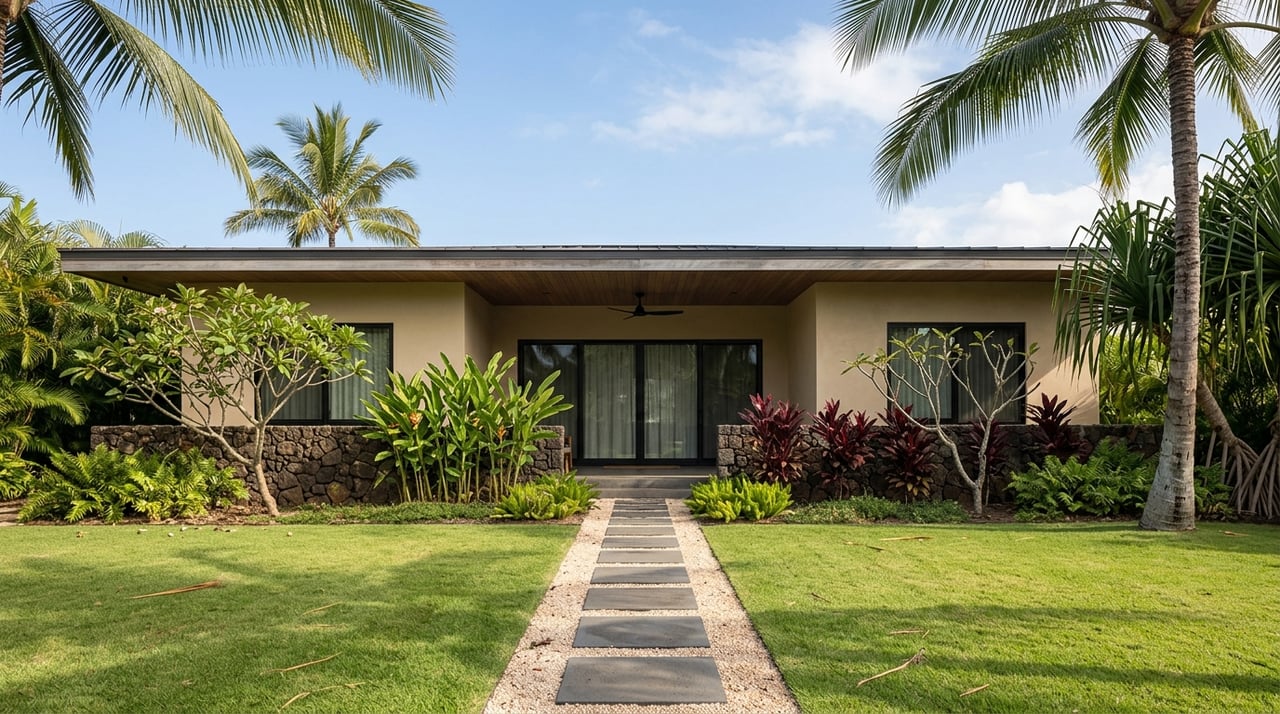
If you picture Oʻahu life as a choice between wide-open land and easy beach access, Waimānalo Beach challenges that idea in the best way. Here, you can find a rural setting backed by the Koʻolau range, a shoreline shaped by public recreation, and a day-to-day rhythm that feels more spacious than many parts of the island. If you are exploring whether this Windward community fits your lifestyle, this guide will help you understand what living in Waimānalo Beach can actually feel like. Let’s dive in.
Why Waimānalo Feels Distinct
Waimānalo is a census-designated place on Oʻahu’s Windward side with 6,057 residents, according to the 2020 Census. Spread across 4.36 square miles, it has a population density of 1,389.9 people per square mile, which helps explain its lower-density, more open feel.
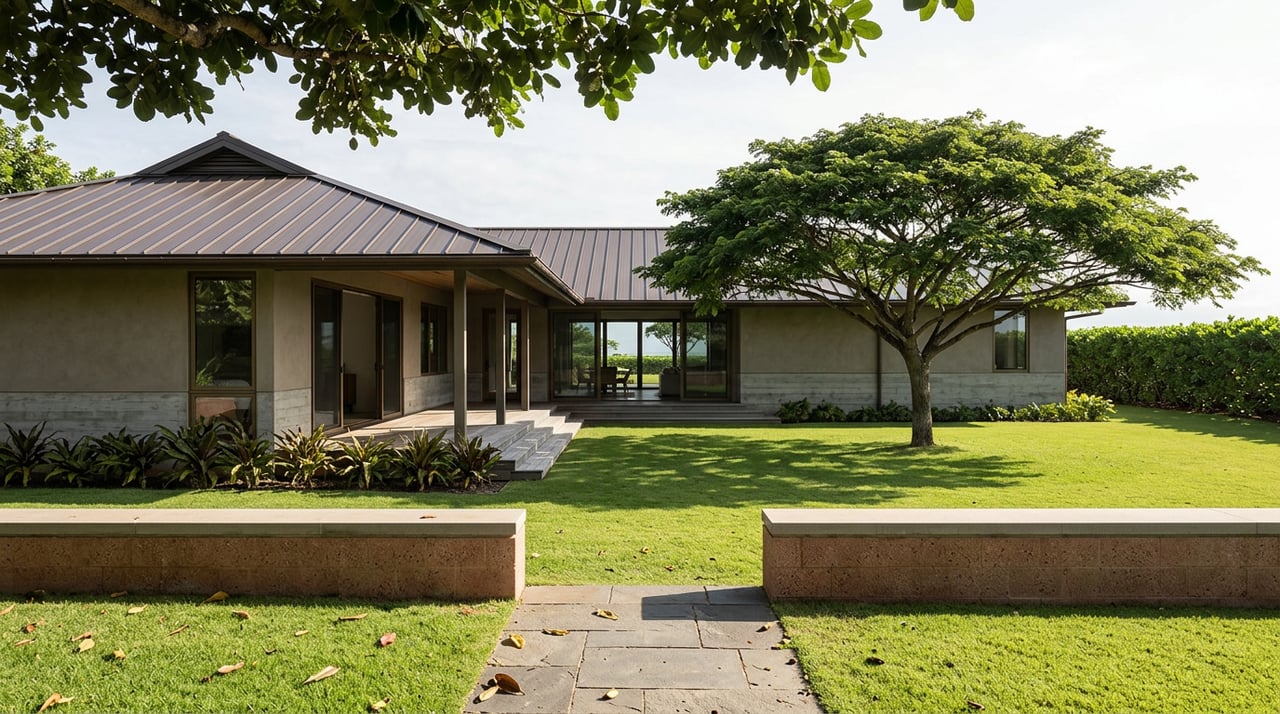
The local public school describes Waimānalo as a rural community with the Koʻolau range as its backdrop. That setting gives the area a very different atmosphere from more built-up coastal communities, with a landscape that feels grounded in both residential living and open land.
For many buyers, that is the appeal. You are not just near the water. You are in a place where mountain views, neighborhood streets, and shoreline access all play a role in daily life.
Horse Country Roots
One of the most unique parts of the Waimānalo Beach lifestyle is its connection to horse country. The Hawaiʻi Department of Land and Natural Resources describes the Waimānalo forest reserve as about 484 acres and almost completely forested, with two state trails that provide public cycling, hiking, and equestrian access.
Those trails matter because they include the only publicly accessible horseback riding trail on Oʻahu. That is a rare feature, and it supports Waimānalo’s reputation as a place where inland outdoor life is not just scenic, but active and deeply tied to the community.
DLNR also noted that residents, agricultural interests, and equestrian riders were part of the stakeholder mix around the reserve. That detail reinforces something many people notice right away in Waimānalo: the land itself still shapes the lifestyle.
What that means for daily life
If you are drawn to room to breathe, Waimānalo offers a setting that supports that feeling. The horse-country identity is less about spectacle and more about atmosphere, with a rural backdrop that can make the community feel calmer, more private, and more connected to the outdoors.
That does not mean every home is part of an equestrian lifestyle. It means the area carries a strong land-based identity that sets it apart from many other shoreline markets on Oʻahu.
Shoreline Living in Waimānalo Beach
Of course, the shoreline is a major part of the draw. Hawaiʻi Ocean Safety lists both Waimanalo Beach and Waimanalo Bay as lifeguarded beaches, with service every day from 8:00 a.m. to 6:30 p.m.
That is an important quality-of-life detail if beach time is part of how you want to live. It supports a lifestyle where swimming, walking the sand, and spending time by the water can be part of your regular routine, while also underscoring the importance of using lifeguarded areas and following posted warning signs.
A City and County of Honolulu environmental assessment also describes Waimānalo Bay Beach Park as intended to serve both the Waimānalo community and the greater Oʻahu population. In other words, this shoreline is not just visually beautiful. It functions as a public recreation resource with real everyday use.
Beach access is part of the lifestyle
City recreation rules list Waimānalo Beach Park as a five-day camping site with ADA-accessible campsites. That speaks to how the coast is used, not only by nearby residents but by people seeking time outdoors in a well-loved public setting.
For buyers, this can shape how the area feels throughout the week and across seasons. The shoreline experience in Waimānalo is active, public, and woven into the broader life of the community.
Everyday Life Beyond the Beach
A lifestyle guide is only useful if it goes beyond scenery. In Waimānalo, the everyday essentials are part of a compact local core that supports daily routines.
Waimānalo Elementary & Intermediate School serves about 320 students in grades Pre-K through 8 and describes itself as located in the rural Waimānalo community. The Waimānalo Public and School Library sits on the school campus, opened in 1978, and hosts keiki-oriented programming.
Waimānalo Health Center is another important local anchor. Located at the foothills of the Koʻolau Mountains in the center of Waimānalo, it serves Koʻolaupoko from Makapuʻu to Kualoa and lists medical, dental, vision, behavioral health, and pharmacy services across multiple sites, including two in Waimānalo on Kalanianaʻole Highway.
A practical, car-based routine
Kalanianaʻole Highway remains the main access corridor through the community, and the Hawaiʻi Department of Transportation completed resurfacing work on one Waimānalo segment in 2024. Paired with the area’s lower-density layout, that points to a lifestyle where driving is still a central part of getting around.
If you are moving from a denser neighborhood, that is helpful to know upfront. Waimānalo can offer space and a more relaxed setting, but your daily routine will likely still be organized around the main highway and a car-based pattern.
What the Census Suggests About Lifestyle
Some of the clearest lifestyle clues come from the Census profile. Waimānalo has an average household size of 4.12 persons, and 73.6% of homes are owner-occupied.
The same profile shows that 94.5% of residents had lived in the same house one year earlier. That kind of stability can be meaningful for buyers who value an area that appears to have strong residential continuity.
There are also details that speak to modern routines. The Census reports that 98.6% of households have broadband, median household income is $116,581, and the mean travel time to work is 29.0 minutes.
Why these numbers matter
Taken together, these figures paint a picture of a community where people put down roots. You can see hints of family-oriented households, steady homeownership, and the practical infrastructure that supports both commute-based and remote-work lifestyles.
For buyers considering Waimānalo Beach, that combination can be compelling. You get the sense of a community that is residential and grounded, while still connected to the tools and routines that modern life requires.
Who Waimānalo Beach May Appeal To
Waimānalo Beach may appeal to you if you want more than a simple beach address. This is a community that can fit buyers who value privacy, outdoor access, and a setting that feels distinctly Windward.
It can also stand out for people who want a home near the shoreline without giving up a sense of land, space, and local character. The combination of horse-country context, beach access, and a relatively stable residential base is not something you find everywhere on Oʻahu.
For relocators, the key is understanding the balance. Waimānalo is beautiful, but it is not trying to be urban, highly commercial, or fast-paced. Its appeal is more grounded than that.
Buying With Lifestyle in Mind
When you are shopping for a home in Waimānalo Beach, lifestyle fit matters as much as square footage or price point. A property may look close to the sand on paper, but your experience of the area will also depend on access, privacy, daily driving patterns, and how you want to spend your time outdoors.
That is especially true in a place with such a distinct blend of shoreline living and rural character. Understanding the difference between a beach-close home, a more inland setting, and a property that leans into the area’s open feel can help you make a better long-term decision.
Working with a local guide who understands Windward Oʻahu can help you look beyond listing photos and evaluate how a home actually supports the life you want to build here.
If you are considering a move to Waimānalo Beach or comparing Windward communities, Kalei Wodehouse offers thoughtful, high-touch guidance shaped by deep local roots and a strong understanding of coastal Oʻahu living.
FAQs
What is the lifestyle like in Waimānalo Beach?
- Waimānalo Beach offers a blend of rural Windward living, public beach access, mountain backdrops, and a slower-paced residential feel shaped by both shoreline recreation and open land.
Does Waimānalo have a horse-country feel?
- Yes. DLNR describes the Waimānalo forest reserve as providing public equestrian access, including the only publicly accessible horseback riding trail on Oʻahu, which supports the area’s horse-country identity.
Are there lifeguarded beaches in Waimānalo?
- Yes. Hawaiʻi Ocean Safety lists both Waimanalo Beach and Waimanalo Bay as lifeguarded daily from 8:00 a.m. to 6:30 p.m.
What everyday services are available in Waimānalo?
- Waimānalo includes a local school campus, the Waimānalo Public and School Library, and Waimānalo Health Center, which offers medical, dental, vision, behavioral health, and pharmacy services.
Is Waimānalo a good fit for buyers who want space?
- Based on its lower-density Census profile, rural setting, and car-based layout, Waimānalo may appeal to buyers who value space, privacy, and outdoor access.
What should buyers know about getting around Waimānalo?
- Kalanianaʻole Highway is the main access corridor through the community, so most daily routines are likely to depend on driving rather than a walk-everywhere setup.