If privacy tops your wish list, Waimānalo Beach might be the stretch of Windward Oʻahu that finally feels right. You want ocean access and mountain views without the buzz of resort zones or constant visitor traffic. In this guide, you’ll learn how Waimānalo’s home and lot patterns support a quieter lifestyle, the beach access and shoreline rules to know, and the practical steps that protect your privacy and investment. Let’s dive in.
Why Waimānalo appeals to privacy seekers
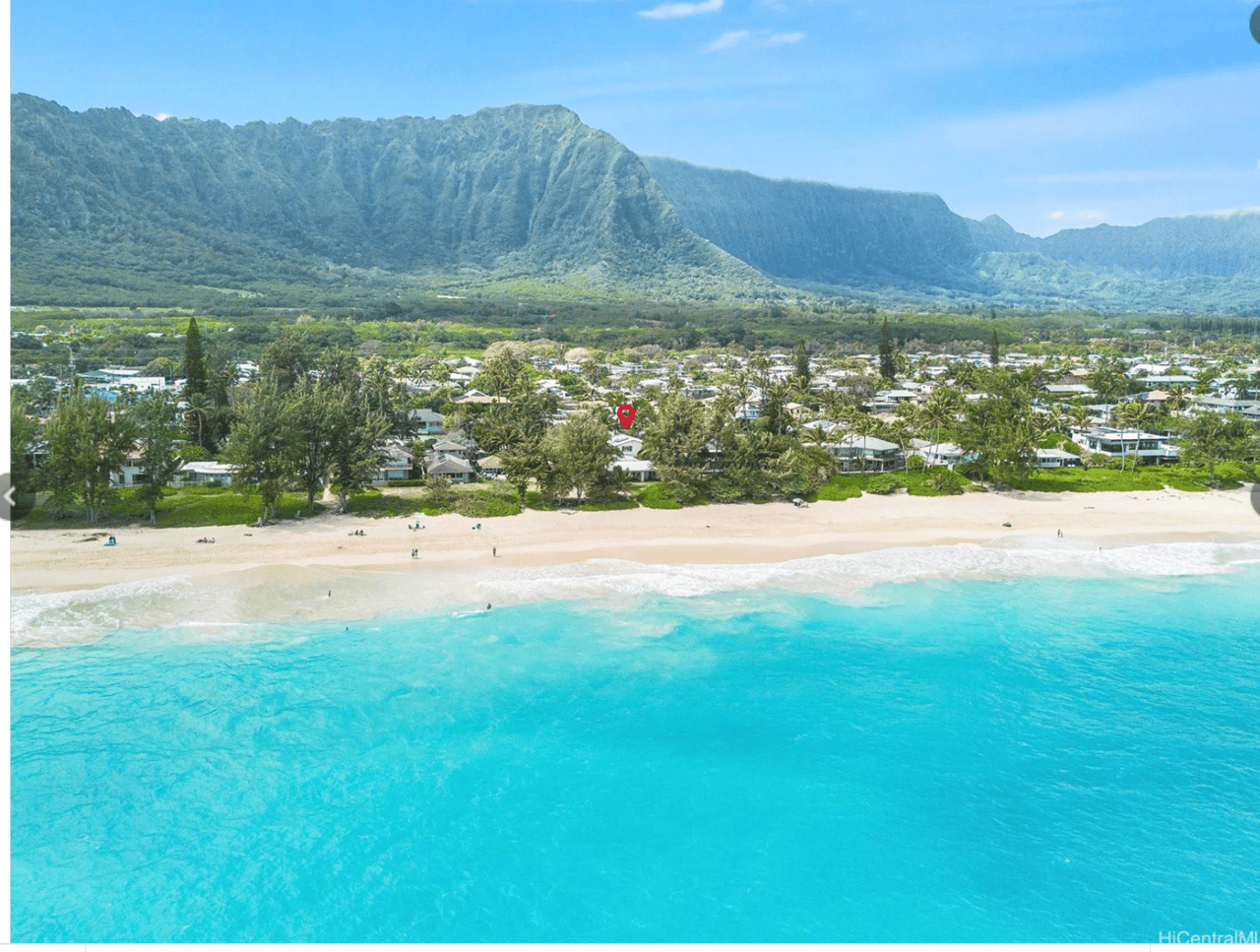
Waimānalo is a small, rural Windward community known for wide, sandy beaches, ironwood shade, and a low‑key local scene rather than resort development. Much of the coastline is backed by low‑rise neighborhoods, which helps keep the shoreline feel relaxed compared with more famous beaches nearby. You get space to breathe, long beach walks, and a day‑to‑day rhythm that favors privacy over spectacle.
For a feel of the area’s vibe, local coverage highlights its long coastline and laid‑back pace. You can get a good sense of the place from this overview of the town’s character and shoreline amenities in a guide to Waimānalo on Oʻahu’s Windward side. Explore the community character and coastline.
What you’ll find in homes and lots
Most housing in Waimānalo is single‑family. You’ll see everything from modest beach cottages and mid‑century ranch homes to rebuilt residences and small CPR configurations. There are also larger agricultural parcels in the valley and mauka areas, which attract buyers who want privacy, gardens, or room for animals.
Residential parcels closer to Kalanianaole Highway and the beach are typically smaller. Many older homes use on‑site wastewater systems where sewer is not available, so it is important to confirm a property’s utilities and system type during due diligence. Lot size and zoning vary by street, so verify the tax map key and zoning classifications early in your search.
Front row vs mauka privacy
- Front row/oceanfront: Direct shoreline access and views, but fewer homes, higher exposure to visitors using public access points, and more permitting and coastal risk considerations.
- Mauka/back‑row: Often quieter with less foot traffic and better separation from beach activity. You can still reach the sand quickly through public access paths.
- Cost and risk: Insurance, maintenance, and regulatory complexity typically increase closer to the shoreline. Farther mauka can mean more space and lower exposure.
Beach access and shoreline rules
In Hawaiʻi, beaches below the legally defined shoreline are public trust resources. If you consider an oceanfront property, you need to understand how the shoreline is defined and where the certified setback lies, because it affects buildable area and future projects. Review the statutory definition and certification background in the state’s coastal zone rules. Read the state’s shoreline definition.
Local access points make everyday beach time easy. Waimānalo Bay Beach Park, Kaiona Beach Park, and the area adjacent to Bellows Field Beach Park combine to create a very long run of walkable sand that rarely feels crowded along much of the shore. Sea Life Park marks the southern end of this coastline. The net result is a daily routine where you can pick quiet sections and enjoy a calmer, local pace.
Seasonal conditions to plan around
Summer is generally gentler for swimmers. Winter months can bring stronger surf and wind‑driven conditions on the Windward side. Bodyboarding, bodysurfing, and wind‑dependent sports can be excellent in the right windows. If privacy to you also means a calm nearshore for small keiki or mellow swims, plan your access and time of day around seasonal changes.
Practical privacy considerations
Privacy is not just about location. On Oʻahu’s Windward coast, smart due diligence protects your peace and long‑term value.
Utilities and connectivity
- Water supply: Waimānalo is served by Honolulu’s Board of Water Supply. The area has experienced water main breaks and temporary conservation requests in recent years, which is a practical factor for residents and second‑home owners who prefer low‑maintenance living.
- Wastewater: Many older homes rely on cesspools or septic. State law requires conversion or upgrade of cesspools to approved systems or sewer connection by 2050. Timing, costs, and local priority areas vary, so verify the status of any property before you buy.
- Internet and power: Fiber and cable internet are available in many parts of Waimānalo, which supports remote work and privacy‑oriented living. As with any coastal community, plan for occasional weather‑related electrical outages and confirm provider options by address.
Coastal hazards and insurance planning
Sea level rise, coastal erosion, and flood exposure are planning realities for ocean‑area buyers. Honolulu County and State tools map exposure and guide setbacks, which influence design options and long‑term resilience. Ocean‑adjacent parcels may also sit in tsunami evacuation zones. If you are considering front‑row property, make these map checks part of your first pass.
Permitting near the water
Shoreline projects often trigger Special Management Area permits, shoreline certifications, and setback variance reviews. This can add time and complexity to remodels and new construction. Privacy‑minded buyers often prefer mauka properties because the permitting path can be more straightforward than directly on the shoreline.
Visitor pressure reality check
Compared with Kailua and Lanikai, Waimānalo typically sees fewer visitors. Even so, tour van activity and popular scenic stops can concentrate people at certain access points. Local reporting has covered community efforts to better manage tour activity, which is worth noting if you want the quietest possible setting. Read reporting on tour van rules discussions.
How Waimānalo compares nearby
- Visibility and traffic: Kailua and Lanikai are among Oʻahu’s most recognized beaches and draw higher year‑round visitor attention. Waimānalo keeps a more local, agricultural character with generally lighter foot traffic.
- Pricing snapshots: Recent indexes placed typical Waimānalo values around roughly 1.05 to 1.2 million dollars, while Kailua’s median was closer to about 1.5 million dollars in the same period. Street, lot, and proximity to the water can swing values significantly.
- Space and setting: Waimānalo offers larger agricultural parcels in the valley and mauka zones that are harder to find in Kailua or Lanikai. If acreage and separation matter to you, this is a key advantage.
- Housing mix: Expect mostly detached homes in Waimānalo. Condo options are limited, which aligns with a quieter, low‑density profile.
Quick due diligence checklist
Use this list to protect your privacy goals and your investment.
- Confirm parcel zoning and recorded setbacks on the City and County zoning map for Waimānalo. Check Honolulu’s zoning code and map references
- Review shoreline certification records and any existing shoreline setback variance for coastal parcels. Start with State shoreline certification guidance
- Ask for wastewater disclosures and verify whether the parcel will require cesspool conversion or has an approved upgrade plan. See the statewide cesspool‑conversion law
- Check recent Board of Water Supply advisories and local outage history. See recent coverage of a major water main break
- Map coastal risk for the address in the State’s Sea Level Rise Viewer. View the latest SLR tool update
- Confirm tsunami evacuation status and plan routes. Use the Oʻahu tsunami evacuation zone map
- Verify broadband providers and speeds by address if remote work is critical. Check local internet availability
- Know the public trust rules for coastal access if you are considering oceanfront. Review the shoreline definition
Buy with discretion and local guidance
If you want privacy along one of Oʻahu’s longest beaches, Waimānalo delivers a rare mix of space, shoreline, and a low‑profile lifestyle. The tradeoff is that coastal rules, utilities, and permitting require a careful plan. That is where a local, discreet advocate makes the difference. With deep Windward roots, curated off‑market access, and high‑touch buyer representation, Kalei helps you find the right setting and move through due diligence with confidence.
Ready to explore private opportunities around Waimānalo Beach? Kalei Wodehouse can guide you one‑to‑one. Schedule a personal consultation.
FAQs
Is Waimānalo Beach private or public?
- Hawaiʻi beaches below the legally defined shoreline are public trust resources, so oceanfront owners do not control access to the wet sand area.
What lot sizes are common in Waimānalo?
- Near the beach and highway, lots tend to be smaller residential parcels, while mauka areas include larger agricultural tracts that can span multiple acres.
What should I know about cesspools in older homes?
- Many older properties use cesspools or septic systems, and state law requires cesspool conversion or approved upgrades by 2050, so verify the system and plan early.
How reliable is internet for remote work in Waimānalo?
- Fiber and cable service are available in many neighborhoods, but always confirm provider coverage and speed at the specific address you are considering.
How does Waimānalo’s crowd level compare with Kailua and Lanikai?
- Waimānalo generally sees lighter visitor traffic and a more local, rural feel, while Kailua and Lanikai are more widely known and tend to attract more visitors year‑round.